by Polly Markandya | Mar 22, 2018
In Kisumu, Kenya, pit latrines are the dominant form of sanitation, yet the servicing of these pits has previously been unregulated. This Note outlines the recent introduction of Standard Operating Procedures (SOPs) – led by Kisumu County Public Health Office...
by Polly Markandya | Mar 16, 2018
Sanitation businesses can improve services for all urban residents – including the poorest – but this requires carefully designed pricing strategies and measures to reduce risk. This publication outlines WSUP’s approach to incentivising the private sector...
by Polly Markandya | Mar 16, 2018
This Topic Brief explores the replication of a public-private partnership (PPP) that provides safe faecal sludge emptying and transport from on-site sanitation facilities such as pit latrines and septic tanks, marketed as ‘SWEEP’. Following a successful pilot period...
by Polly Markandya | Mar 15, 2018
Evaluating the willingness of Kenyan water utility customers to pay a little bit extra on their water bill to support slum sanitation. This Policy Brief explores the main factors that influence willingness to pay (WTP) among utility customers to pay a hypothetical...
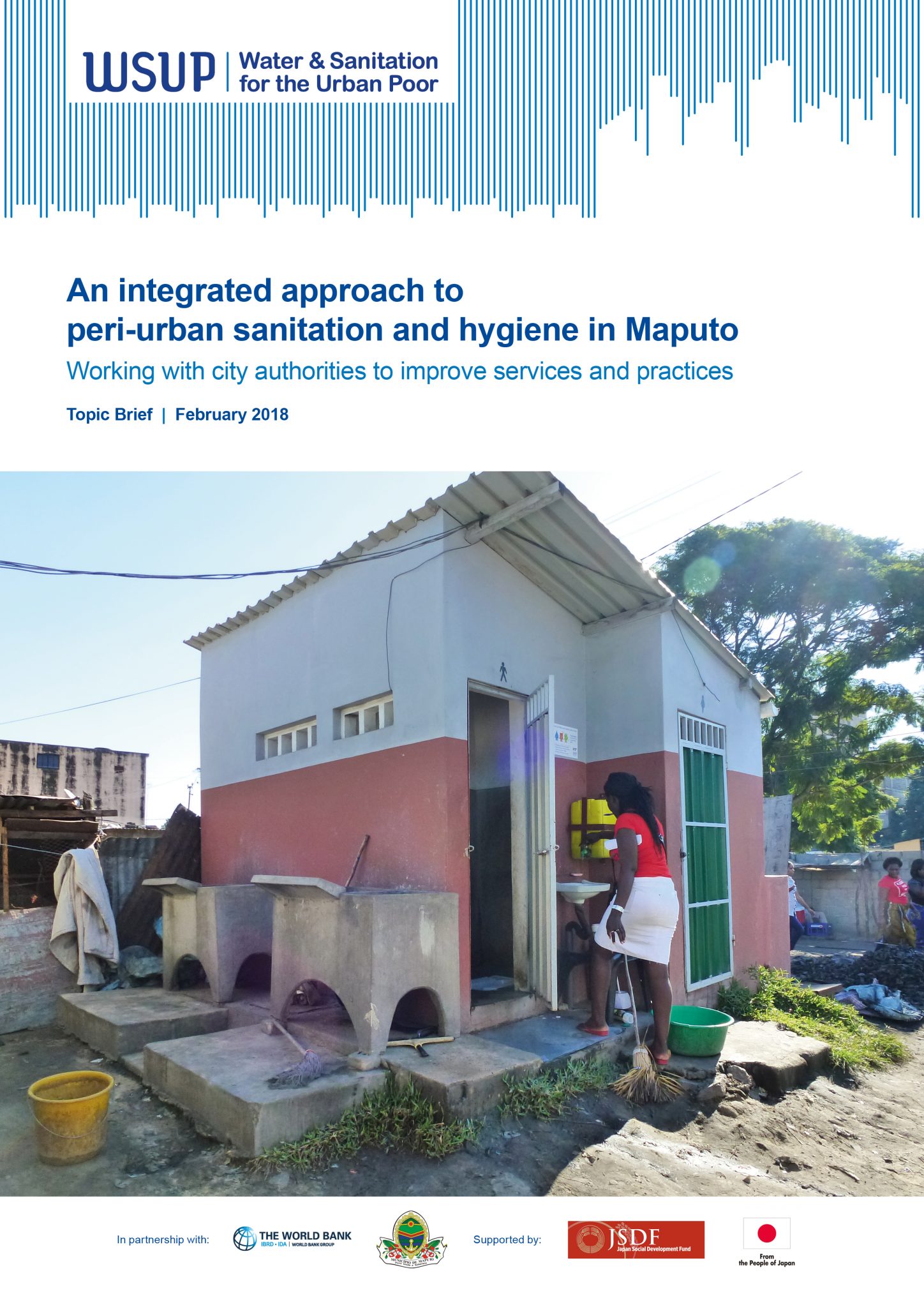
by Polly Markandya | Feb 21, 2018
Working with city authorities to improve services and practices This Topic Brief documents the approach, outcomes and learning of an integrated sanitation and hygiene programme implemented in Maputo, Mozambique during the period 2013-2017. The programme was funded by...