by Polly Markandya | May 28, 2019
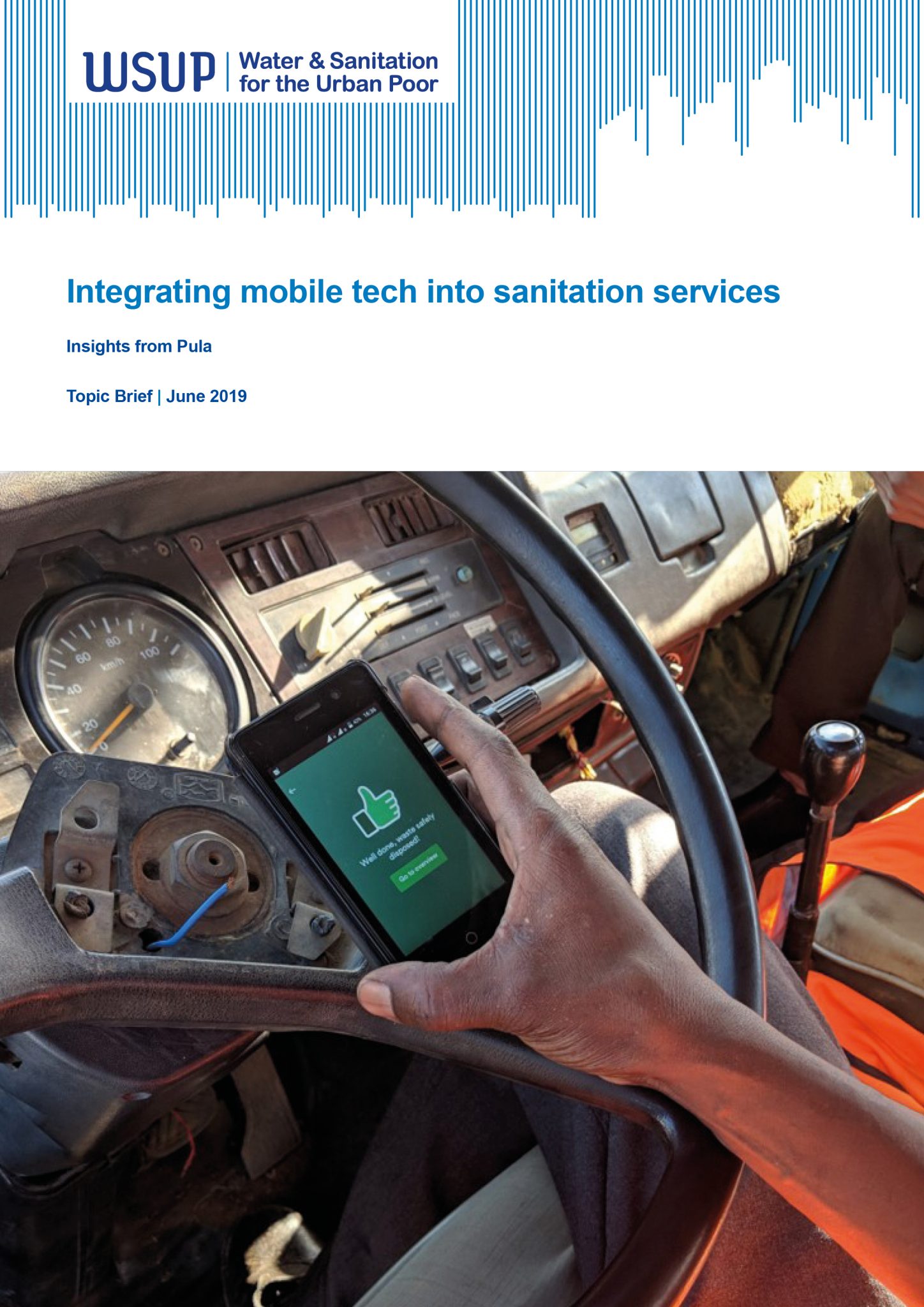
Service providers involved in faecal sludge management are held back by a lack of current data on their customer base, operating standards and levels of service. Pula, a mobile app, was developed to address this data gap. This publication shares the learning from a...
by Polly Markandya | May 28, 2019
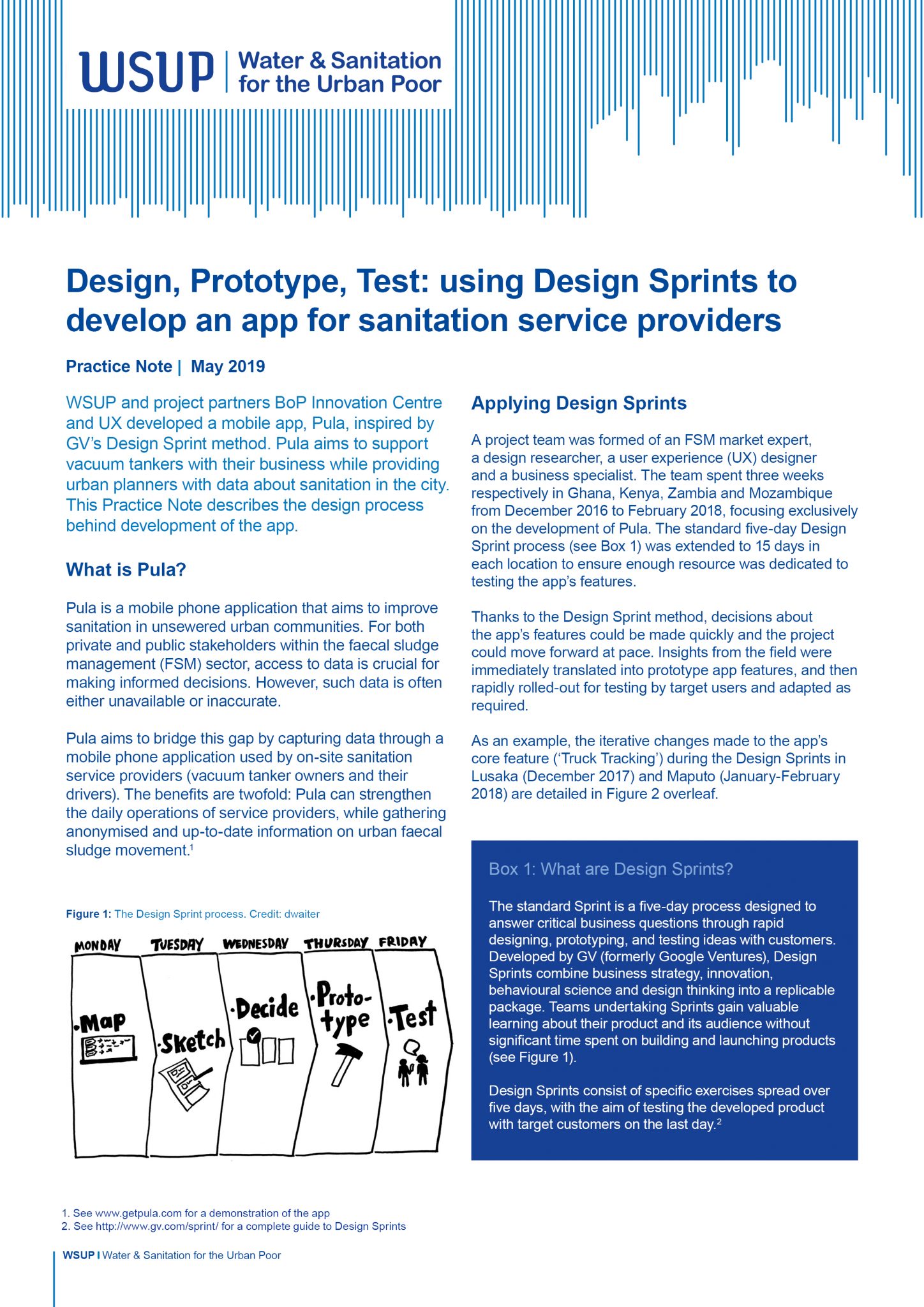
This Practice Note describes the design process behind development of a mobile app, Pula, inspired by GV’s Design Sprint method. Pula aims to support vacuum tankers with their business while providing urban planners with data about sanitation in the city. See...
by Polly Markandya | May 4, 2019
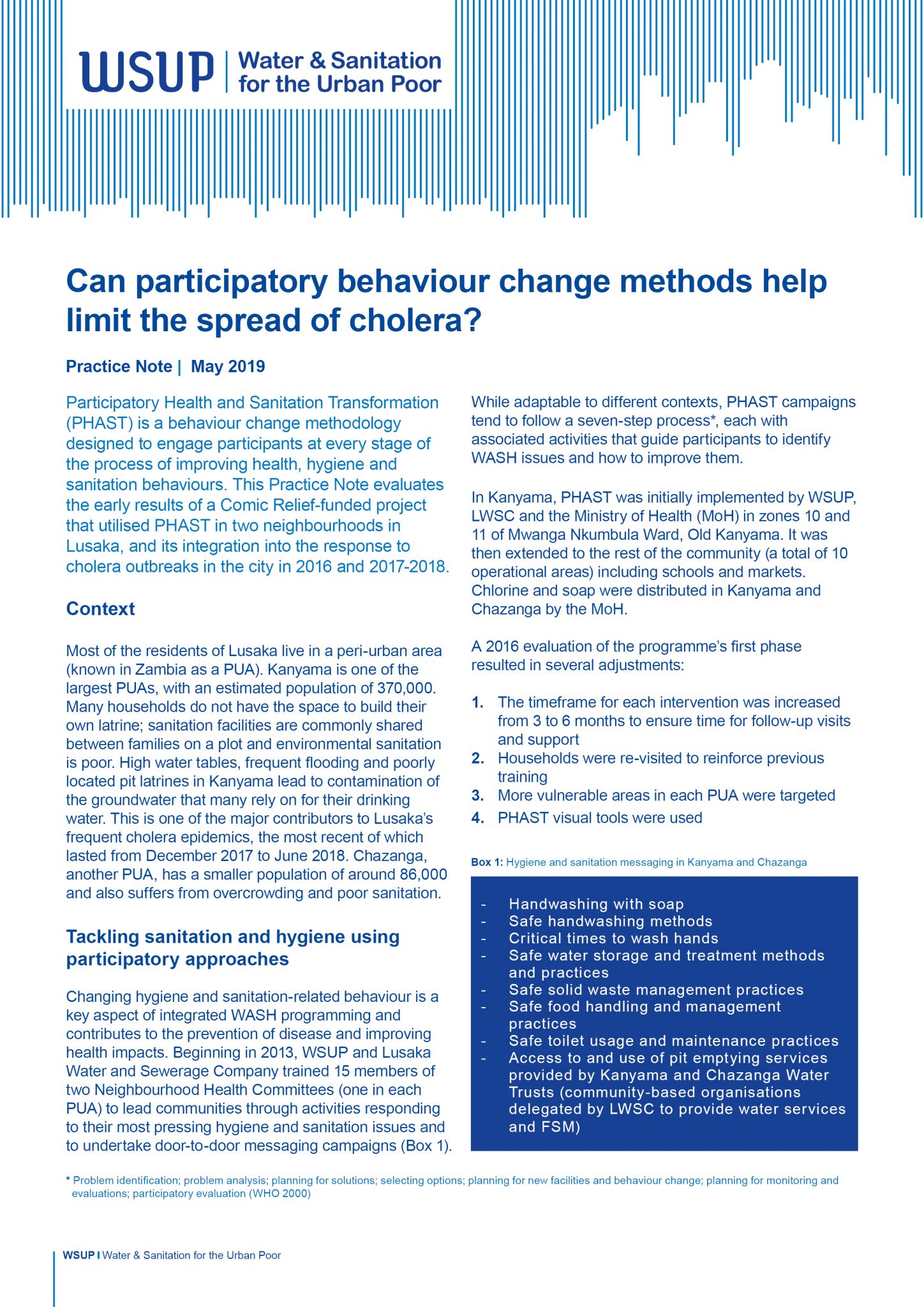
Participatory Health and Sanitation Transformation (PHAST) is a behaviour change methodology designed to engage participants at every stage of the process of improving health, hygiene and sanitation behaviours. This Practice Note evaluates the early results of a Comic...
by Polly Markandya | Apr 21, 2019
Ghana’s 254 Metropolitan, Municipal and District Assemblies (MMDAs) are legally mandated to provide social services, including sanitation infrastructure and services, to their residents. MMDAs have full discretion over how they spend internally generated funds....

by Polly Markandya | Apr 21, 2019
Ghana’s 254 Metropolitan, Municipal and District Assemblies (MMDAs) are legally mandated to provide social services, including sanitation infrastructure and services, to their residents. MMDAs have full discretion over how they spend internally generated funds....