Madagascar
29.6m
Population
67%
of urban residents living in slums
4.1%
Urbanisation rate per year
88%
of people without safely managed sanitation
47%
of people without even basic drinking water
Worked there since 2009 | Project locations: Antananarivo, Mahajanga, Toliara
80% of the people in Madagascar live in extreme poverty; one of the highest rates in the world. In fact, the situation for the population has worsened in recent years, with a drop in peoples consumption and a deterioration in deprivation rates in urban areas. The World Bank describes growing urban population facing high poverty rates, few job prospects, and worsening living standards.
The number of people in urban areas is growing at around twice the rate of the rest of the world, compounding challenges already caused by a lack of sufficient water and sanitation services. The country is already experiencing many negative effects from climate change, with much more frequent and violent storms, and with an extended drought in the south of the country.
Two thirds of people in the capital Antananarivo live in informal settlements, very little of the city’s waste is treated effectively and only a small area has sewers. This has a huge impact on the health, safety and dignity of those living in low-income communities. At least a quarter of all deaths of Malagasy children under five in urban areas are caused by water-related diseases.
WSUP has formed long-term partnerships with the national water utility, the national government and local communities to create innovative, affordable and financially viable water and sanitation services in Antananarivo, Mahajanga and Toliara.
Our work in Madagascar
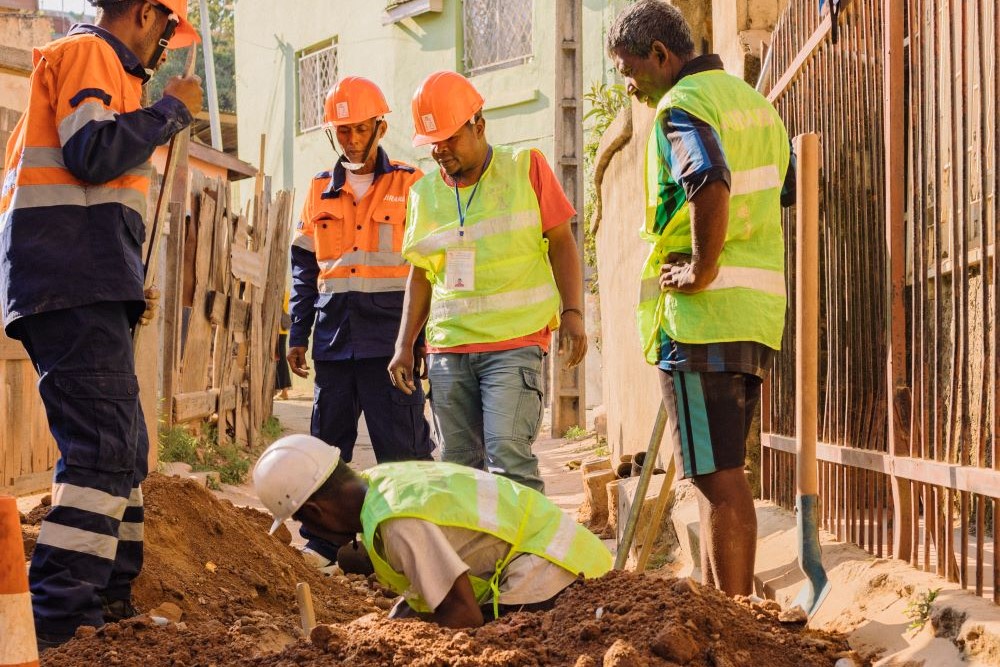
Strengthening utilities and WASH governance
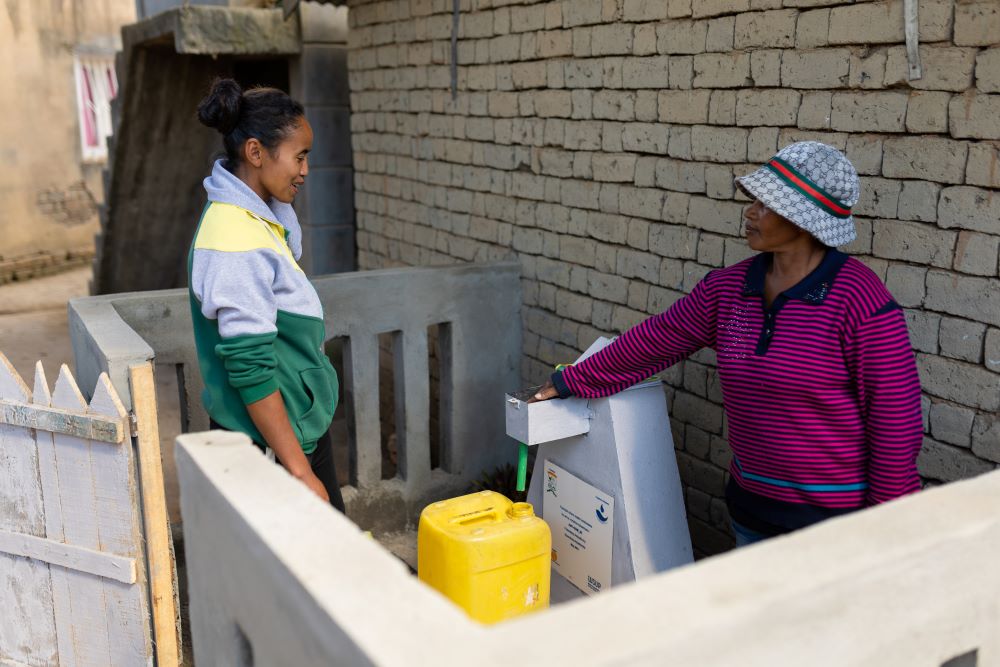
Improving water and sanitation for low-income communities

Building a cleaner, greener school experience
6146761
Urban residents served
since 2005
1548136
People with improved water supply
1646190
People with improved sanitation
2952435
People who have received hygiene education
CASE STUDY
Nantenaina Galatianina, Soalandi
“The training provided by the Ministry of WASH and WSUP helped us better understand how to manage and use the infrastructure.”
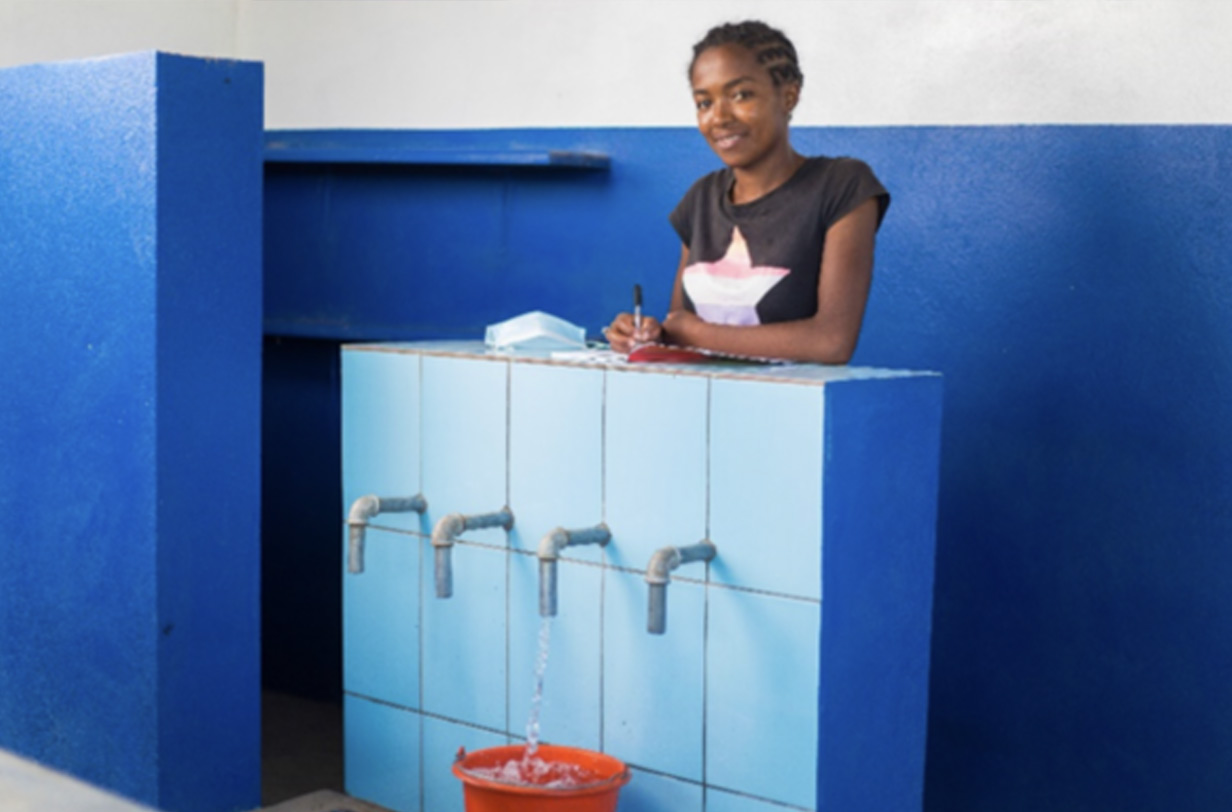
The WADA programme in Madagascar, led by WSUP with funding from USAID and The Coca-Cola Foundation, has had a wide impact on communities. Not only has it provided brand-new water facilities for low-income residents, in Antananarivo, Mahajanga, and Toliara, but it has also created new work opportunities, particularly for women.
“People here drink and use dirty water,” says Nantenaina Galatianina, who assumed the role of laundry block manager after the new facility was opened in Soalandi, in the suburbs of the capital. “This project improves people’s health and cleanliness.”
As well as others involved in new responsibilities generated by the WADA programme, she received appropriate training, learning about the water service and how to welcome and serve customers.
“The training provided by the Ministry of WASH and WSUP helped us better understand how to manage and use the infrastructure,” says Ms Galatianina. “My job is to ensure that the customers are satisfied with the service, record income regularly, and monitor daily water consumption.”
Soalandi’s laundry block has also become a social point of contact for the community, with residents using the facility regularly to wash clothes and fetch water. It has changed the lives of local residents, and Nantenaina Galatianina has proudly been at the centre of it all.
Partnerships