by Polly Markandya | Mar 17, 2014
Nairobi’s super-slum Kibera is criss-crossed by sewer mains. So why not simply connect latrines to the sewer? Unfortunately it’s not so simple, for various reasons including high costs. In partnership with Nairobi Water, WSUP has been developing a ‘gradual sewering’...
by Polly Markandya | Mar 28, 2019
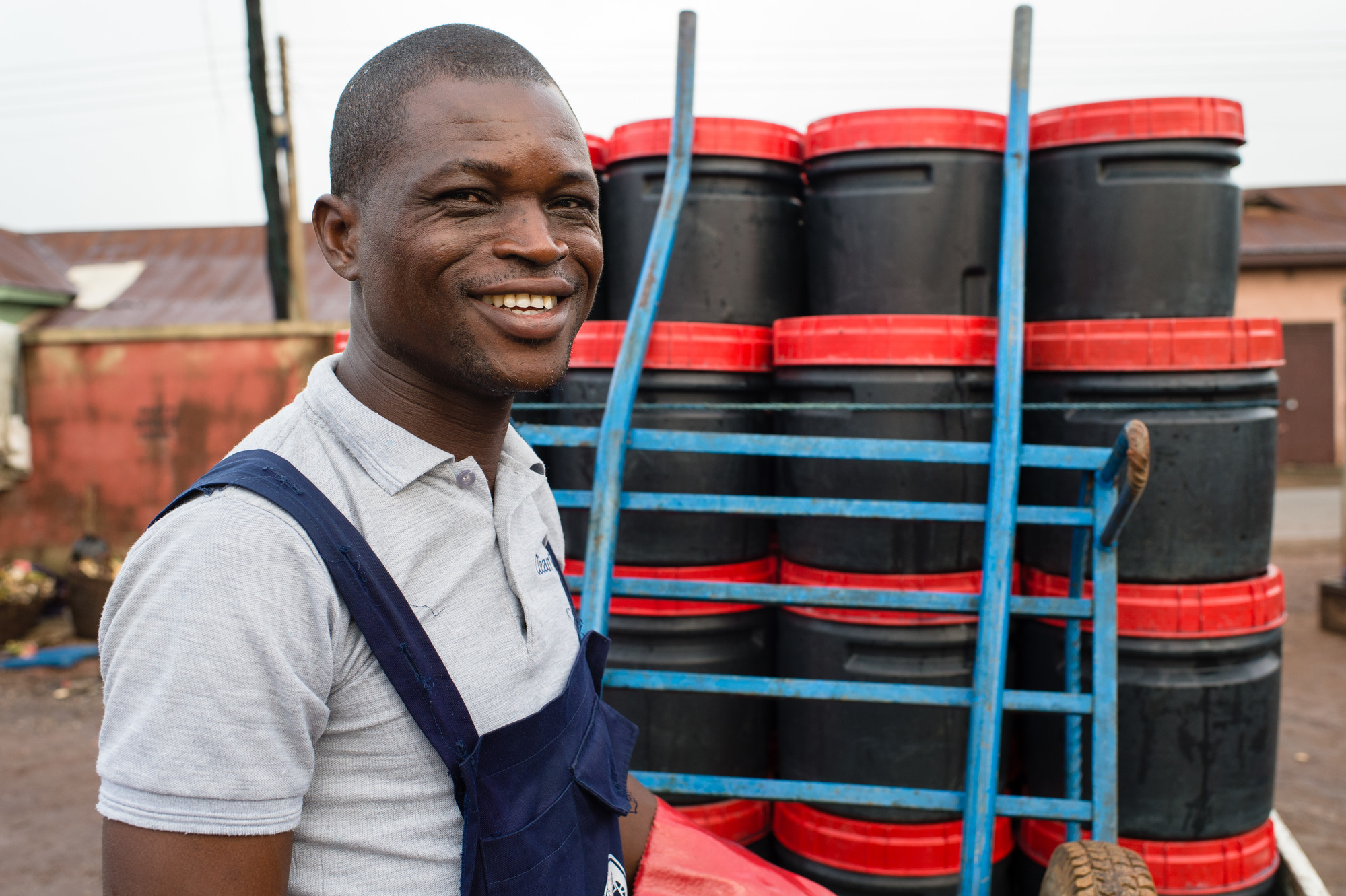
Aims This project will deliver an evaluation of the user experience outcomes of being a customer of Clean Team Ghana. Clean Team Ghana is a social enterprise providing container-based toilets for a monthly fee covering toilet rental and the container replacement...
by Polly Markandya | Oct 18, 2018
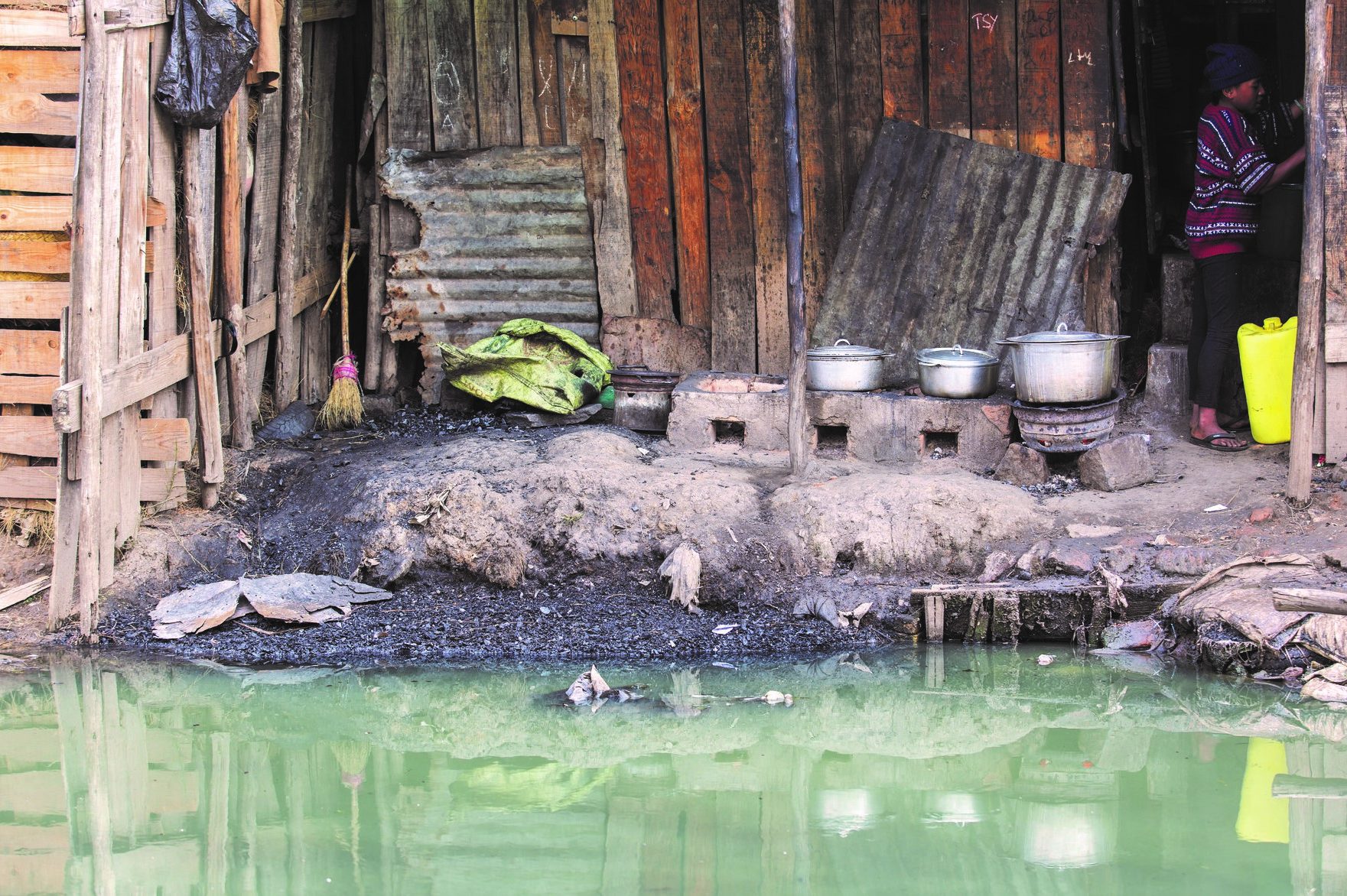
Aims This work will develop a modelling approach that, if demonstrated to generate reliable predictions, can support context-specific decision-making around the most cost-effective interventions to reduce disease burden due to faecal pathogens in low-income urban...
by Polly Markandya | Oct 12, 2018
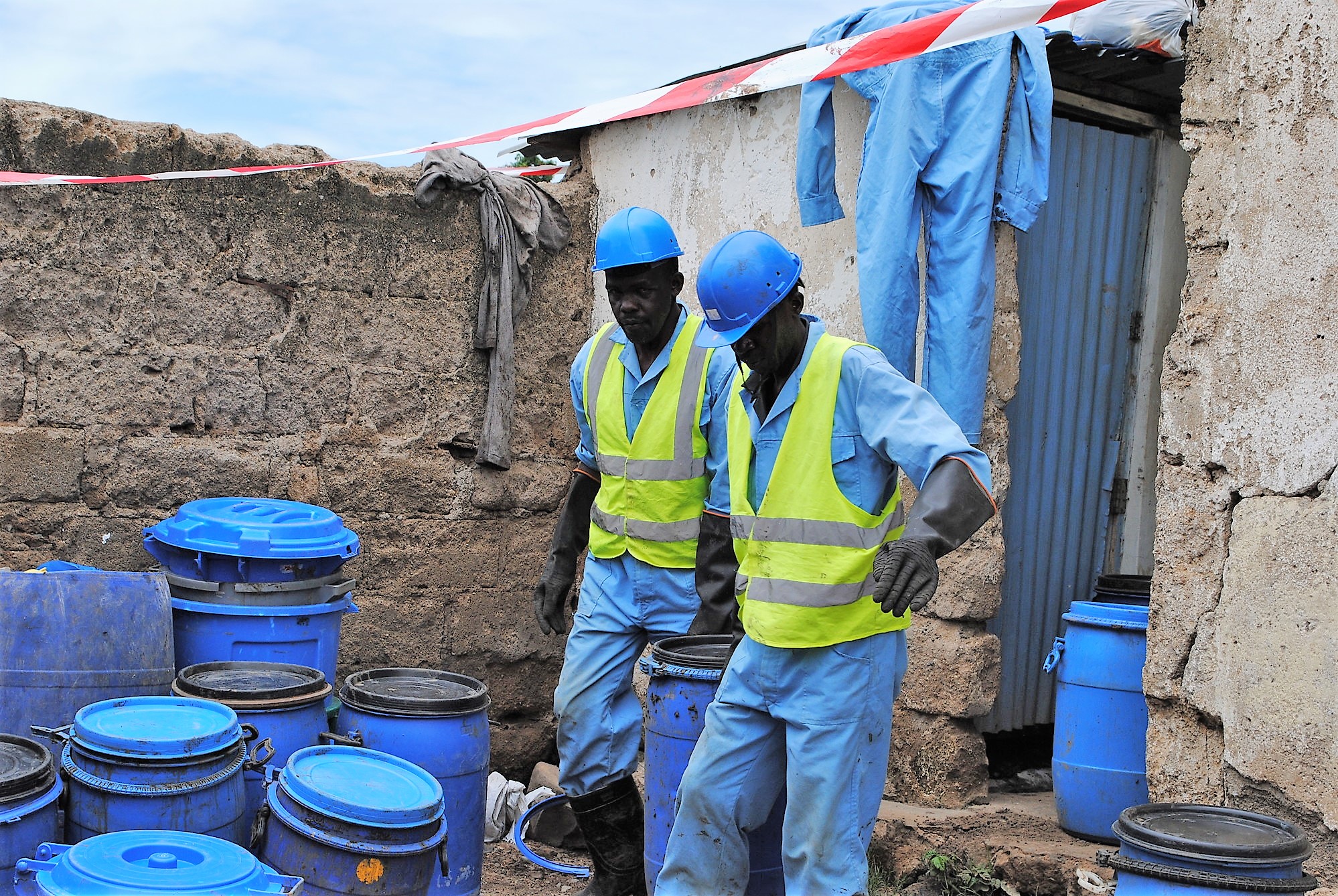
Aims To identify and initiate policy measures which encourage the private sector to target low-income urban customers for the provision of faecal waste emptying services, resulting in enhanced private sector engagement and improved levels of sanitation access for...
by Polly Markandya | Apr 12, 2017
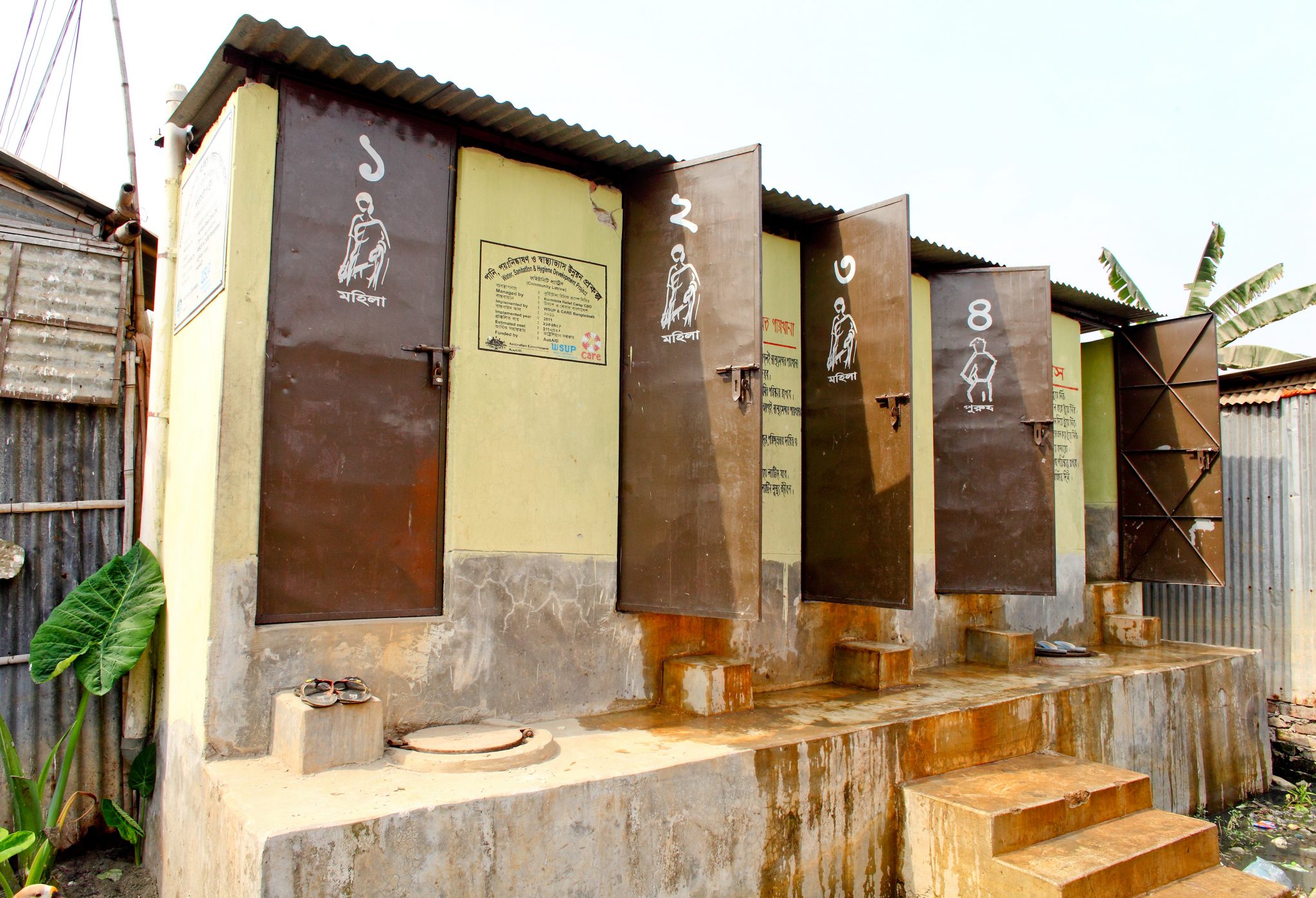
Aims To build towards better understanding of pro-poor sanitation investment practice, and to (potentially) lay the foundation for possible future research around sanitation investment planning in low-income contexts in Bangladesh, Ghana and Kenya. Findings The...