• About us
    • Our Story
    • How we create impact
    • Why WASH matters
      • Health
      • Education
      • Employment and economy
      • Women & girls
      • Climate change
      • Environmental pollution
    • Our team
    • Accountability and financials
      • Governance
      • Financials
    • Contact us
  • Where we work
    • Bangladesh
    • Ghana
    • Kenya
    • Madagascar
    • Mozambique
    • Zambia
    • Uganda
  • Partner with us
  • Resources
    • Latest research
      • Innovative approaches to water & sanitation service delivery
      • Institutional capacity
      • Business development & public-private collaboration
      • Policy, planning & sector reform
      • Regulation
      • Financing
      • Citywide inclusive sanitation
      • Integrating water & sanitation with urban development
      • Climate resilience & water security
      • Hygiene & behaviour change
      • Gender & inclusion
      • Assessing impact
    • Sector functionality framework
    • Utility strengthening framework
    • Academic collaborations
    • WSUP’s Theory of Change
  • Advisory
    • About WSUP Advisory
    • Services
    • Areas of expertise
    • Projects
    • Meet the team
    • Contact Advisory
  • Media Centre
    • Browse all
  • Charity
    • Fundraise for WSUP
    • Pledge your birthday
    • In-memory or celebration
    • Leave a gift in your Will
  • Careers
    • Vacancies
  • About us
    • Our Story
    • How we create impact
    • Why WASH matters
      • Health
      • Education
      • Employment and economy
      • Women & girls
      • Climate change
      • Environmental pollution
    • Our team
    • Accountability and financials
      • Governance
      • Financials
    • Contact us
  • Where we work
    • Bangladesh
    • Ghana
    • Kenya
    • Madagascar
    • Mozambique
    • Zambia
    • Uganda
  • Partner with us
  • Resources
    • Latest research
      • Innovative approaches to water & sanitation service delivery
      • Institutional capacity
      • Business development & public-private collaboration
      • Policy, planning & sector reform
      • Regulation
      • Financing
      • Citywide inclusive sanitation
      • Integrating water & sanitation with urban development
      • Climate resilience & water security
      • Hygiene & behaviour change
      • Gender & inclusion
      • Assessing impact
    • Sector functionality framework
    • Utility strengthening framework
    • Academic collaborations
    • WSUP’s Theory of Change
  • Advisory
    • About WSUP Advisory
    • Services
    • Areas of expertise
    • Projects
    • Meet the team
    • Contact Advisory
  • Media Centre
    • Browse all
  • Charity
    • Fundraise for WSUP
    • Pledge your birthday
    • In-memory or celebration
    • Leave a gift in your Will
  • Careers
    • Vacancies
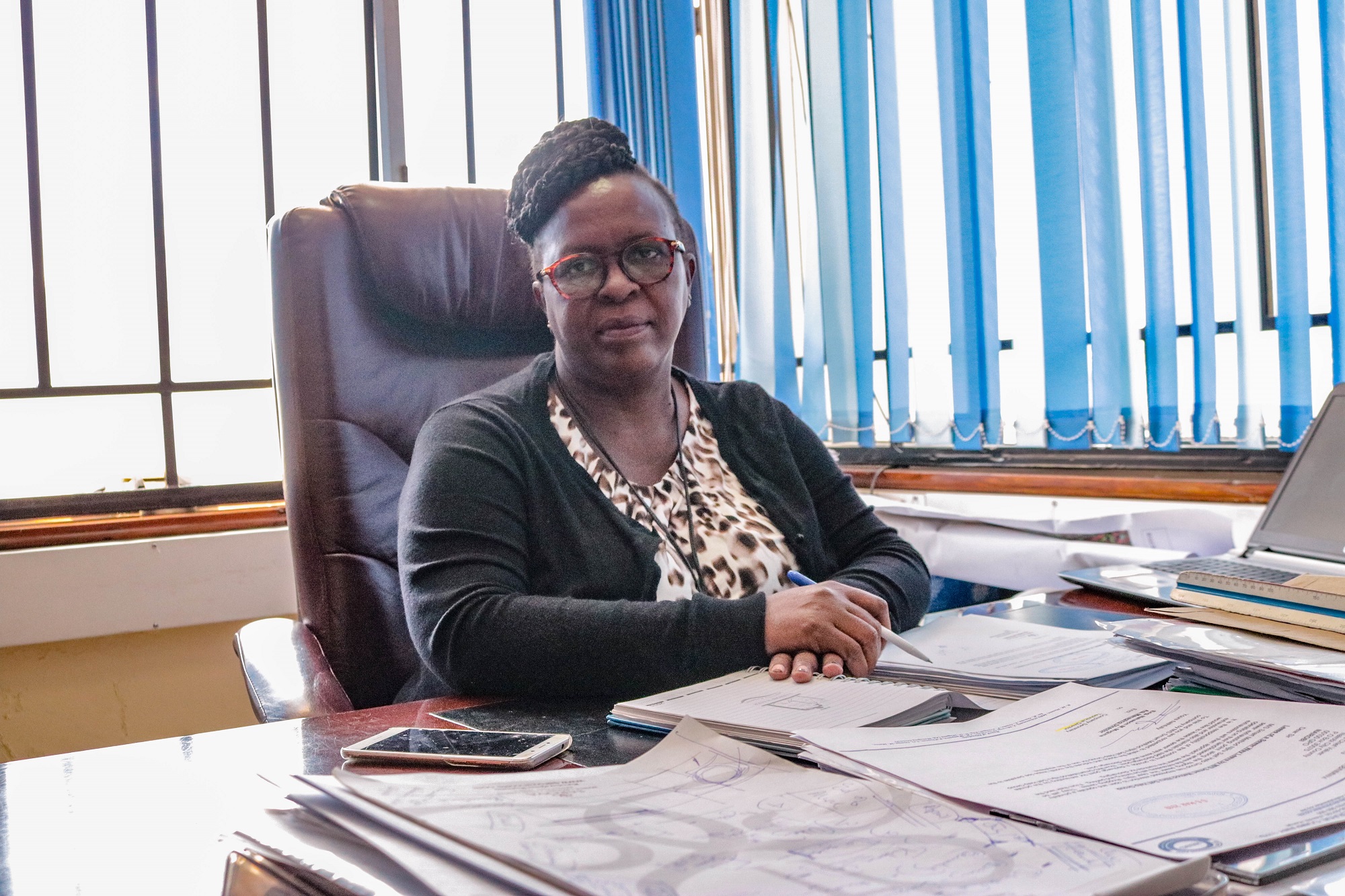
Barriers to women adopting decision-making roles in sanitation public bodies, and attitudinal differences between male and female decision-makers

Barriers to women adopting decision-making roles in sanitation public bodies, and attitudinal differences between male and female decision-makers

by Polly Markandya | Apr 4, 2019

Aims This project will deliver an analysis of the barriers that prevent women in Kenya taking leadership roles in sanitation (particularly urban), and aim to identify ways in which those barriers might be overcome. This project aims to assess 1) the gender balance in...
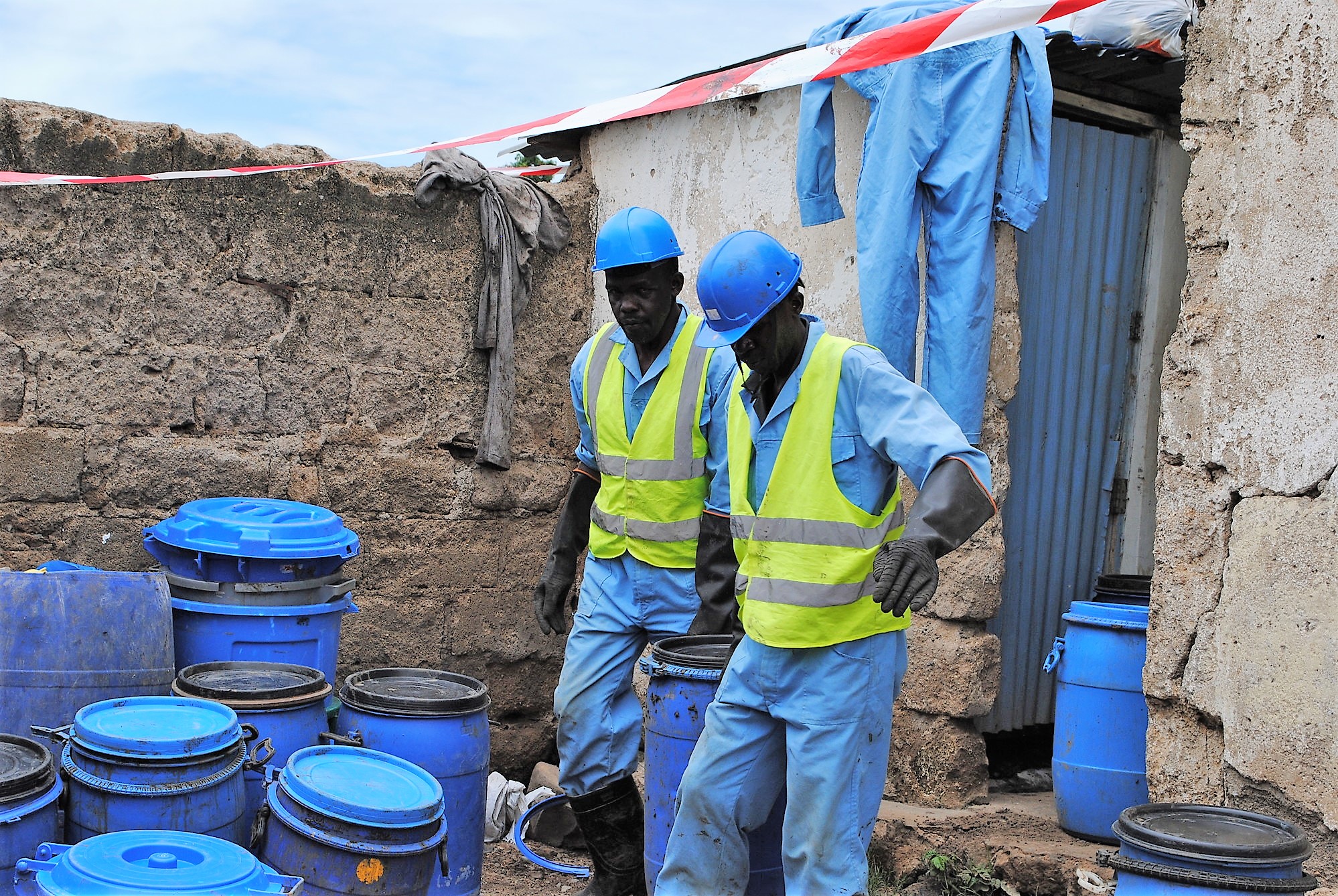
Incentivising private sector provision of faecal waste emptying services to low-income customers in Kisumu

Incentivising private sector provision of faecal waste emptying services to low-income customers in Kisumu

by Polly Markandya | Oct 12, 2018

Aims To identify and initiate policy measures which encourage the private sector to target low-income urban customers for the provision of faecal waste emptying services, resulting in enhanced private sector engagement and improved levels of sanitation access for...
QUISS: Identifying criteria for defining high-quality shared sanitation in urban contexts

QUISS: Identifying criteria for defining high-quality shared sanitation in urban contexts

by Polly Markandya | Sep 12, 2018

Aims The primary sector influence aims of the present research are to generate evidence that can support judgements on minimum criteria for high-quality shared sanitation, internationally and in the three countries, and to provide evidence-based support to the...
SanCost: Urban sanitation costs and low-income consumers’ willingness-to-pay

SanCost: Urban sanitation costs and low-income consumers’ willingness-to-pay

by Polly Markandya | Jan 12, 2018

Aims To support sanitation policy development in Ghana, Kenya and Bangladesh and in particular to provide a firm financial analysis basis that contributes to city sanitation investment decisions in the five selected cities and nationally, and that supports assessment...
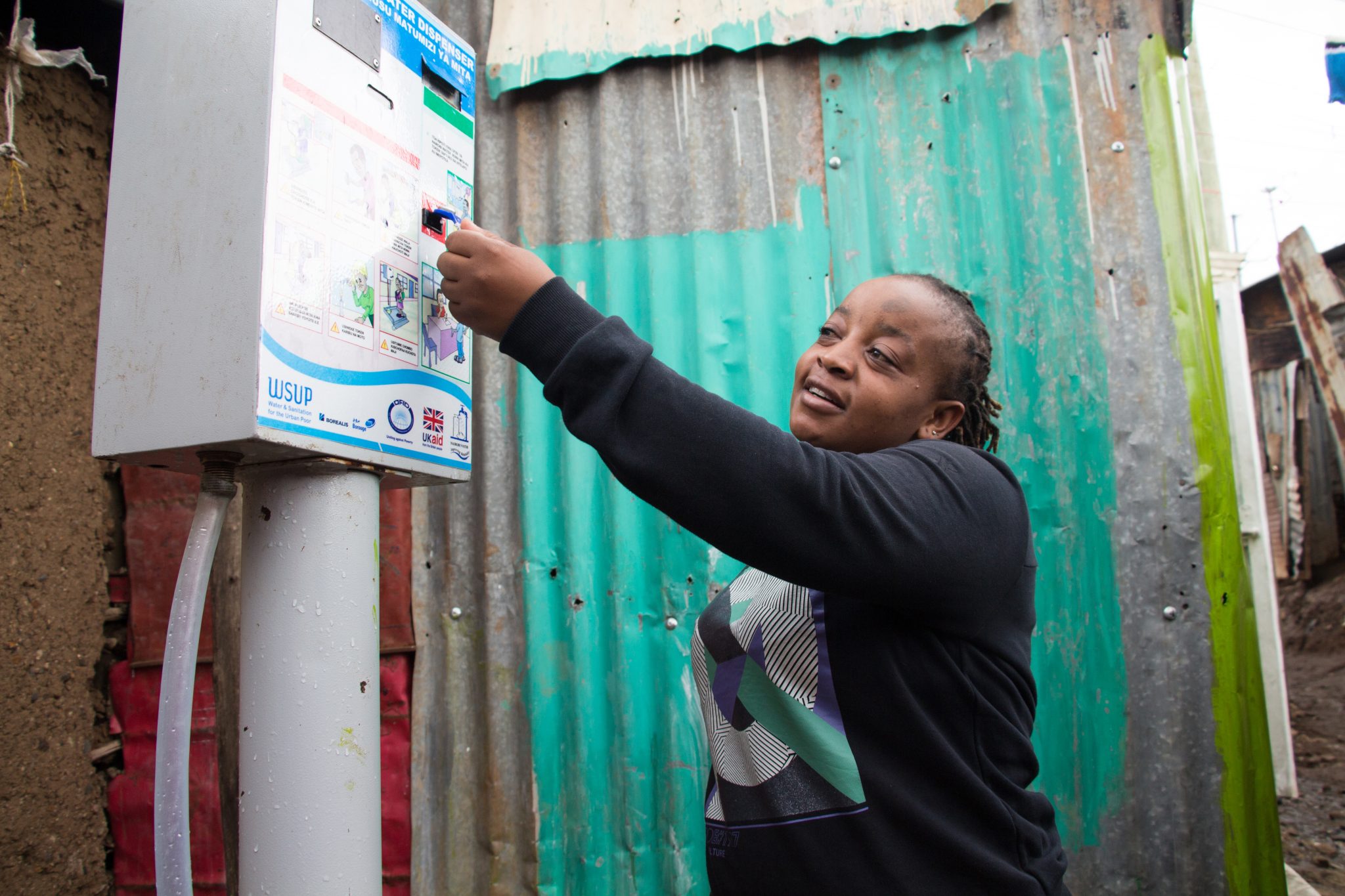
Factors influencing willingness of non-poor water customers to pay a pro-poor sanitation surcharge

Factors influencing willingness of non-poor water customers to pay a pro-poor sanitation surcharge

by Polly Markandya | Dec 12, 2017

Aims To build towards introduction of a sanitation surcharge that can provide a revenue stream for supporting the recurrent costs of sanitation services in low-income areas of Kenyan cities. Findings Findings indicate that 1) feelings of trust that money raised...

Page 34 of 35« First«...1020...3132333435»

Support our work

Donate now

Newsletter

Sign up to receive updates

Sign up

Tags

2021 africa digital Ghana groundwater Hygiene Kenya partnerships regulation Sanitation sewers smart water technology Water world water day world water week
Sign up for our Newsletter to receive all the latest WSUP news straight to your inbox

International secretariat registered at:

124 City Road, London, EC1V 2NX, UK

Companies House 05419428

WSUP Charity 1170651
  • About us
  • Where we work
  • Partner with us
  • Advisory
  • Media Centre
  • Resources
  • Careers
  • Charity




© WSUP
  • Cookie Policy
  • Privacy Notice
  • Policies
  • Report a Concern