by Polly Markandya | Jul 4, 2019 | News
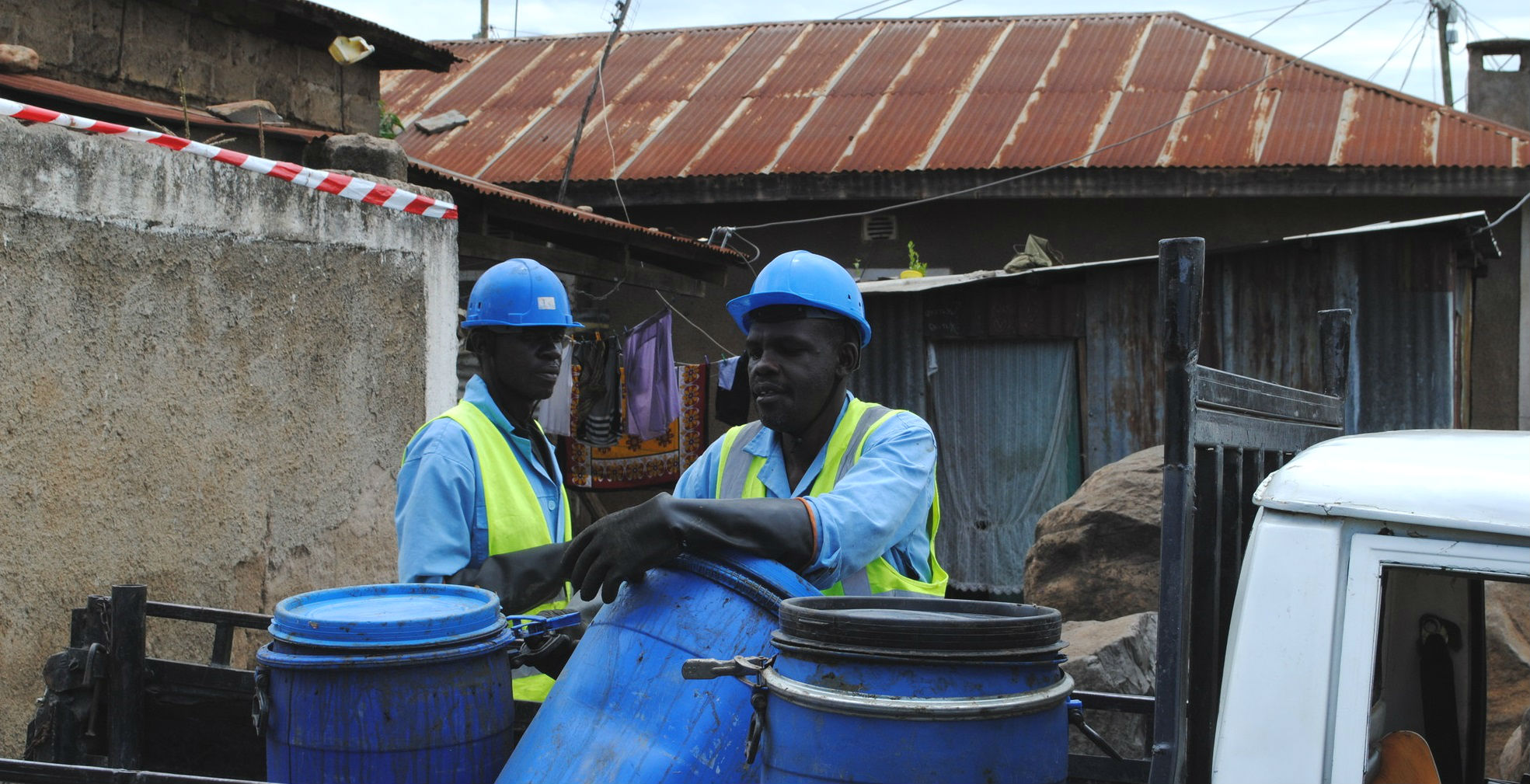
In Kisumu, Kenya, the majority of households rely on pit latrines but most pit emptiers do not work safely – which is bad for the customer, the neighbourhood, and the emptiers themselves. This lack of adequate services is an opportunity for those who can deliver...
by Polly Markandya | Jun 26, 2019
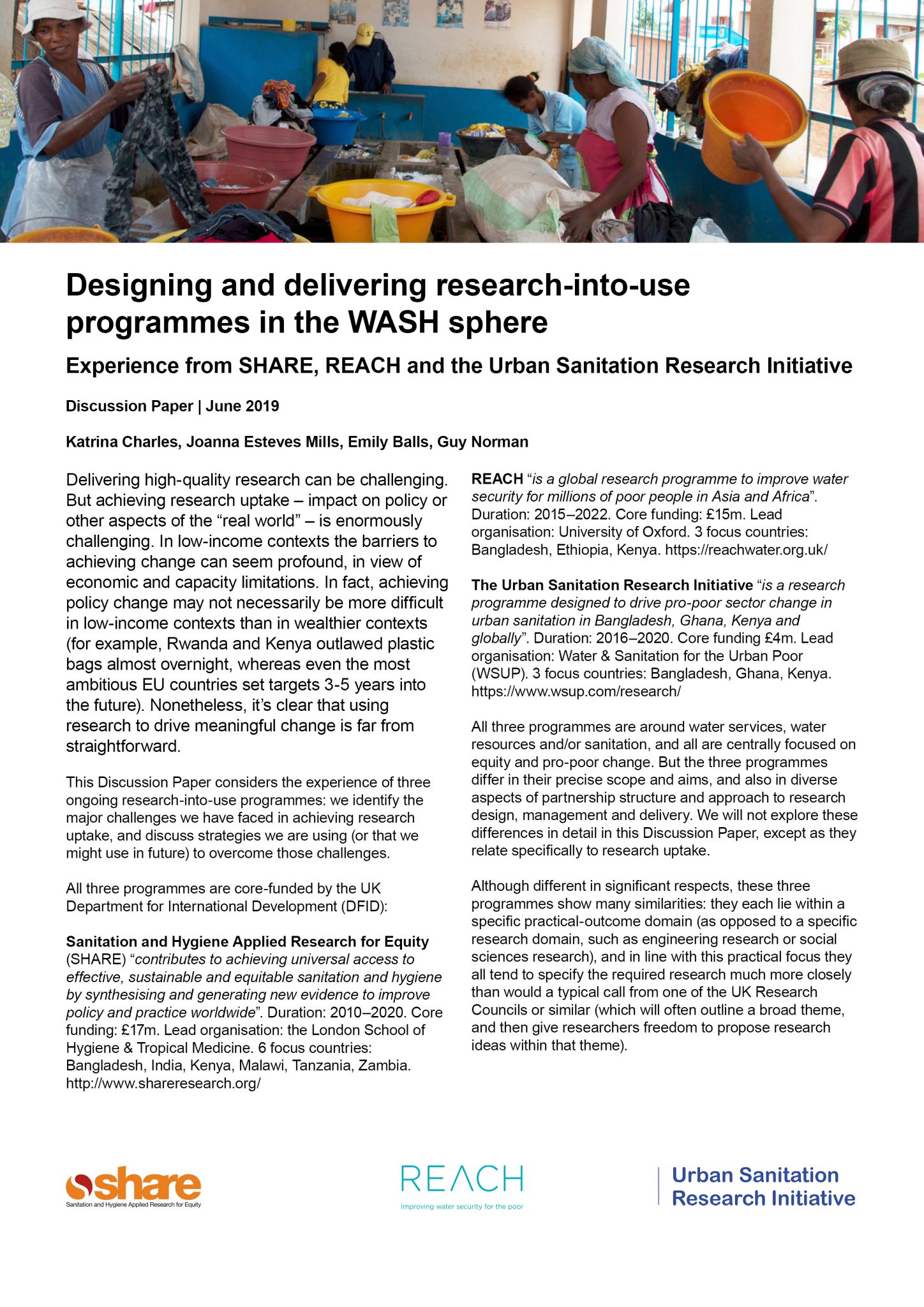
Experience from SHARE, REACH and the Urban Sanitation Research Initiative Delivering high-quality research can be challenging. But achieving research uptake – impact on policy or other aspects of the “real world” – is enormously challenging. In low-income contexts the...
by Polly Markandya | Jun 18, 2019
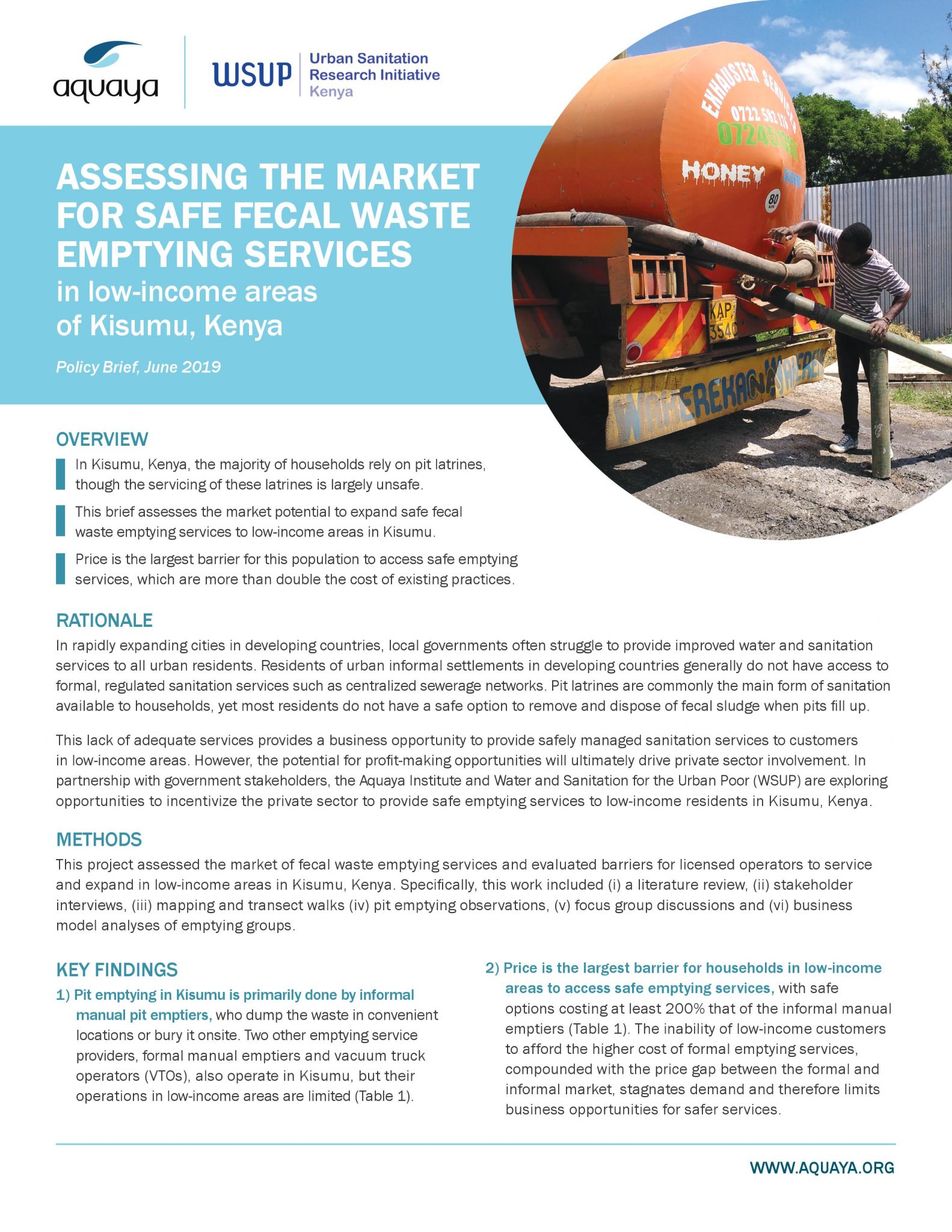
Lead author: Aquaya Institute. In Kisumu, Kenya, the majority of households rely on pit latrines, though the servicing of these latrines is largely unsafe. This Brief assesses the market potential to expand safe fecal waste emptying services to low-income areas in...
by Polly Markandya | Jun 12, 2019 | News
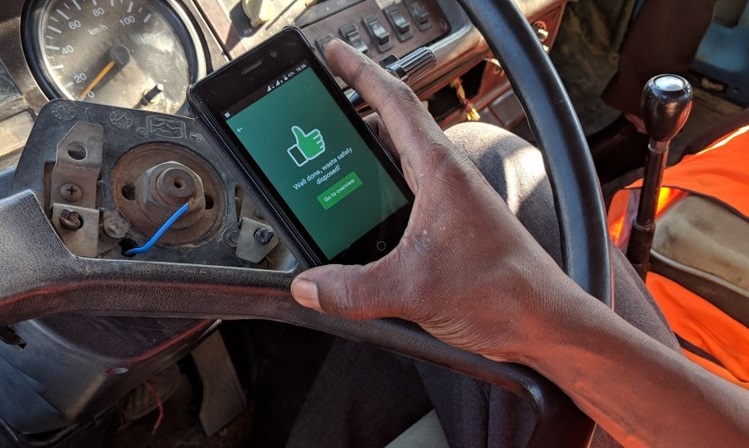
We’ve all heard it before – more people in Africa have mobile phones than have access to sewerage (according to the 2017 Afrobarometer survey, at least). It’s not that useful a comparison when you think about the difference in cost, installation and infrastructure...
by Polly Markandya | May 29, 2019
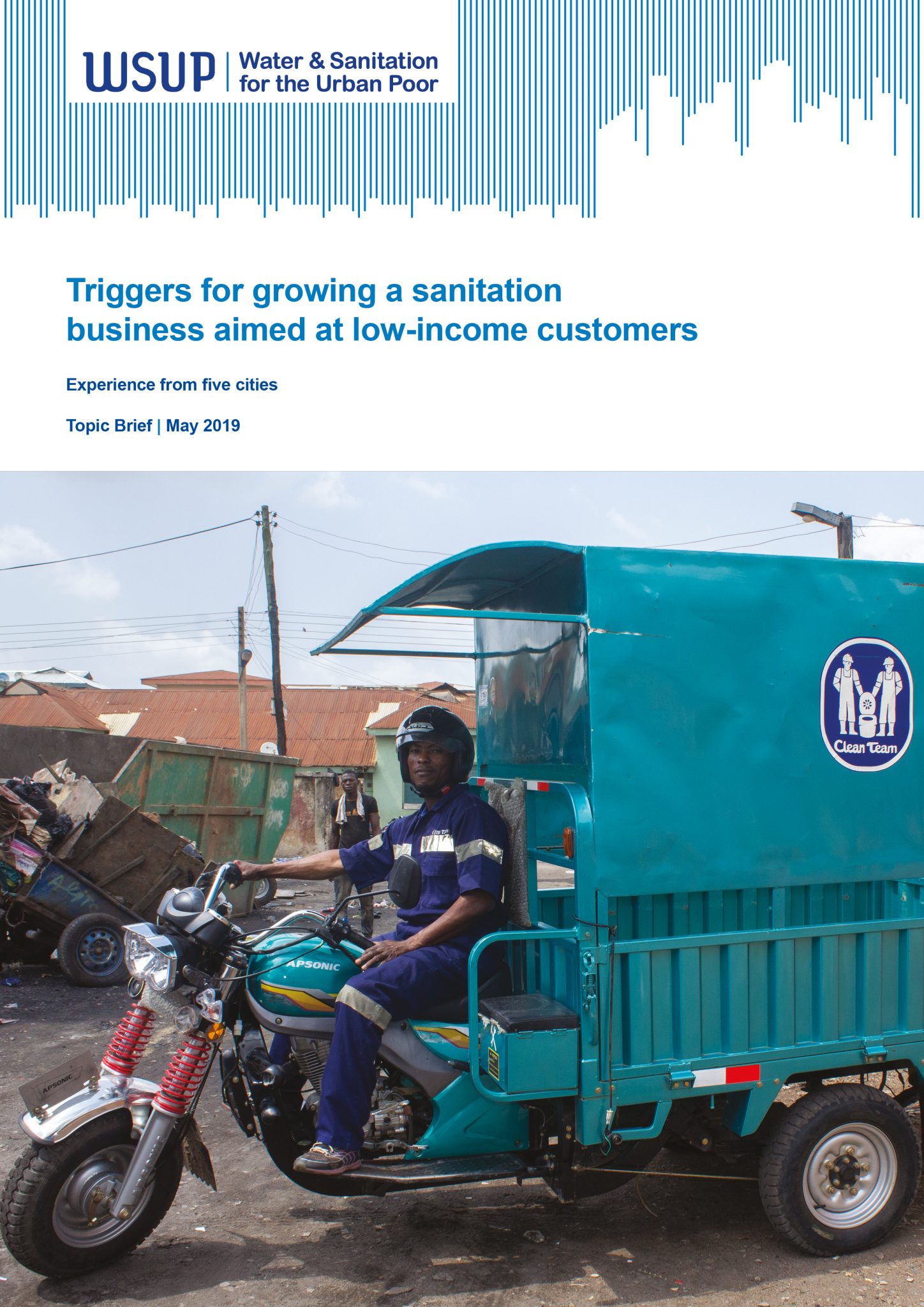
This Topic Brief presents WSUP’s experience supporting sanitation businesses oriented towards low-income customers in five cities. Each case study highlights changes to the business model or enabling environment with the potential to trigger business growth. In WSUP’s...