• About us
    • Our Story
    • How we create impact
    • Why WASH matters
      • Health
      • Education
      • Employment and economy
      • Women & girls
      • Climate change
      • Environmental pollution
    • Our team
    • Accountability and financials
      • Governance
      • Financials
    • Contact us
  • Where we work
    • Bangladesh
    • Ghana
    • Kenya
    • Madagascar
    • Mozambique
    • Zambia
    • Uganda
  • Partner with us
  • Resources
    • Latest research
      • Innovative approaches to water & sanitation service delivery
      • Institutional capacity
      • Business development & public-private collaboration
      • Policy, planning & sector reform
      • Regulation
      • Financing
      • Citywide inclusive sanitation
      • Integrating water & sanitation with urban development
      • Climate resilience & water security
      • Hygiene & behaviour change
      • Gender & inclusion
      • Assessing impact
    • Sector functionality framework
    • Utility strengthening framework
    • Academic collaborations
    • WSUP’s Theory of Change
  • Advisory
    • About WSUP Advisory
    • Services
    • Areas of expertise
    • Projects
    • Meet the team
    • Contact Advisory
  • Media Centre
    • Browse all
  • Charity
    • Fundraise for WSUP
    • Pledge your birthday
    • In-memory or celebration
    • Leave a gift in your Will
  • Careers
    • Vacancies
  • About us
    • Our Story
    • How we create impact
    • Why WASH matters
      • Health
      • Education
      • Employment and economy
      • Women & girls
      • Climate change
      • Environmental pollution
    • Our team
    • Accountability and financials
      • Governance
      • Financials
    • Contact us
  • Where we work
    • Bangladesh
    • Ghana
    • Kenya
    • Madagascar
    • Mozambique
    • Zambia
    • Uganda
  • Partner with us
  • Resources
    • Latest research
      • Innovative approaches to water & sanitation service delivery
      • Institutional capacity
      • Business development & public-private collaboration
      • Policy, planning & sector reform
      • Regulation
      • Financing
      • Citywide inclusive sanitation
      • Integrating water & sanitation with urban development
      • Climate resilience & water security
      • Hygiene & behaviour change
      • Gender & inclusion
      • Assessing impact
    • Sector functionality framework
    • Utility strengthening framework
    • Academic collaborations
    • WSUP’s Theory of Change
  • Advisory
    • About WSUP Advisory
    • Services
    • Areas of expertise
    • Projects
    • Meet the team
    • Contact Advisory
  • Media Centre
    • Browse all
  • Charity
    • Fundraise for WSUP
    • Pledge your birthday
    • In-memory or celebration
    • Leave a gift in your Will
  • Careers
    • Vacancies
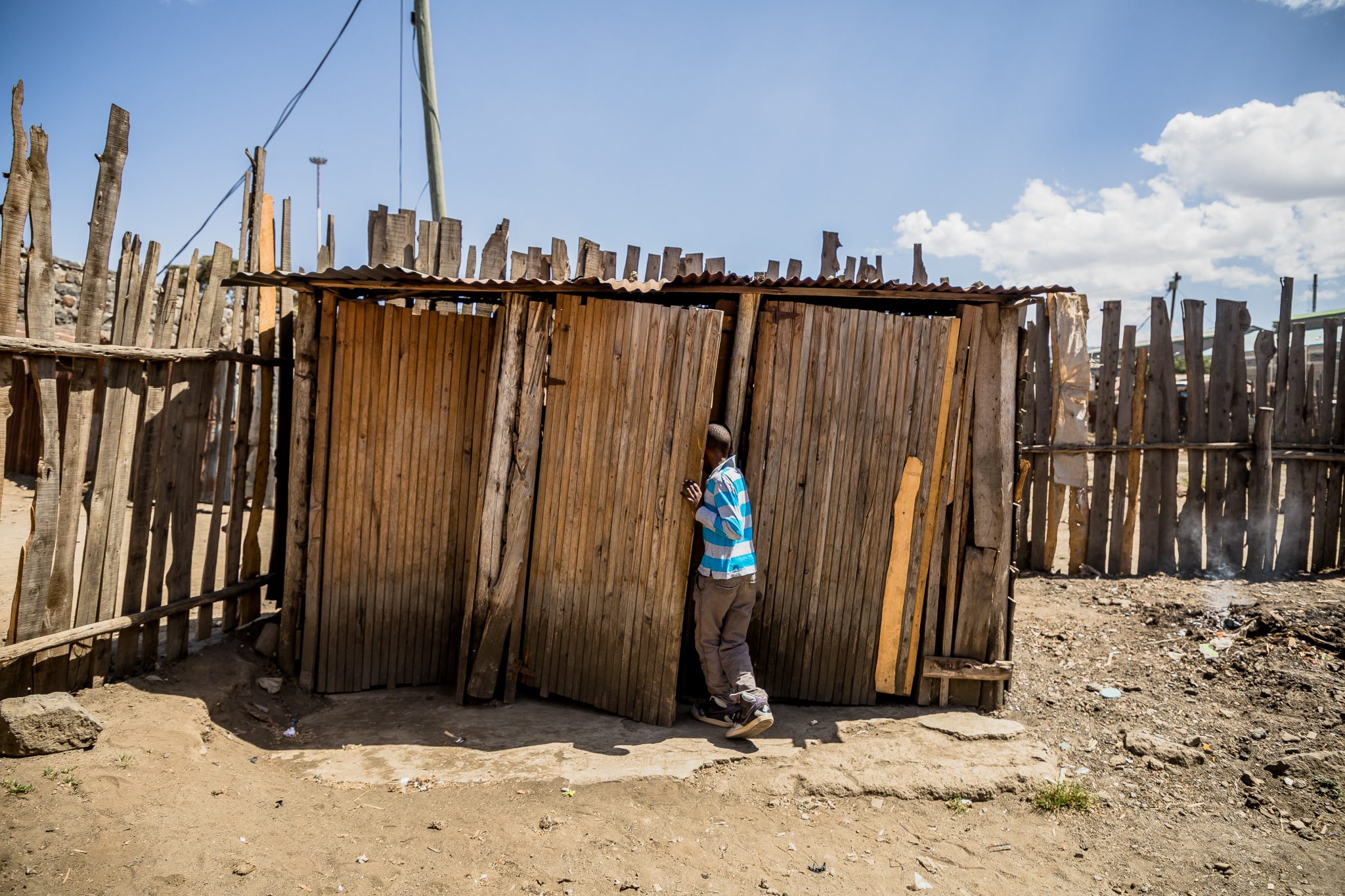
Can new pan-African policy guidelines help bring about national sanitation programmes?

Can new pan-African policy guidelines help bring about national sanitation programmes?

by Polly Markandya | Jul 22, 2021 | News

With 72% of the 962 million people living in Sub-Saharan Africa lacking access to basic sanitation, and governments struggling to increase access, new action is required to accelerate progress towards Sustainable Development Goal (SDG) 6. This situation has been...
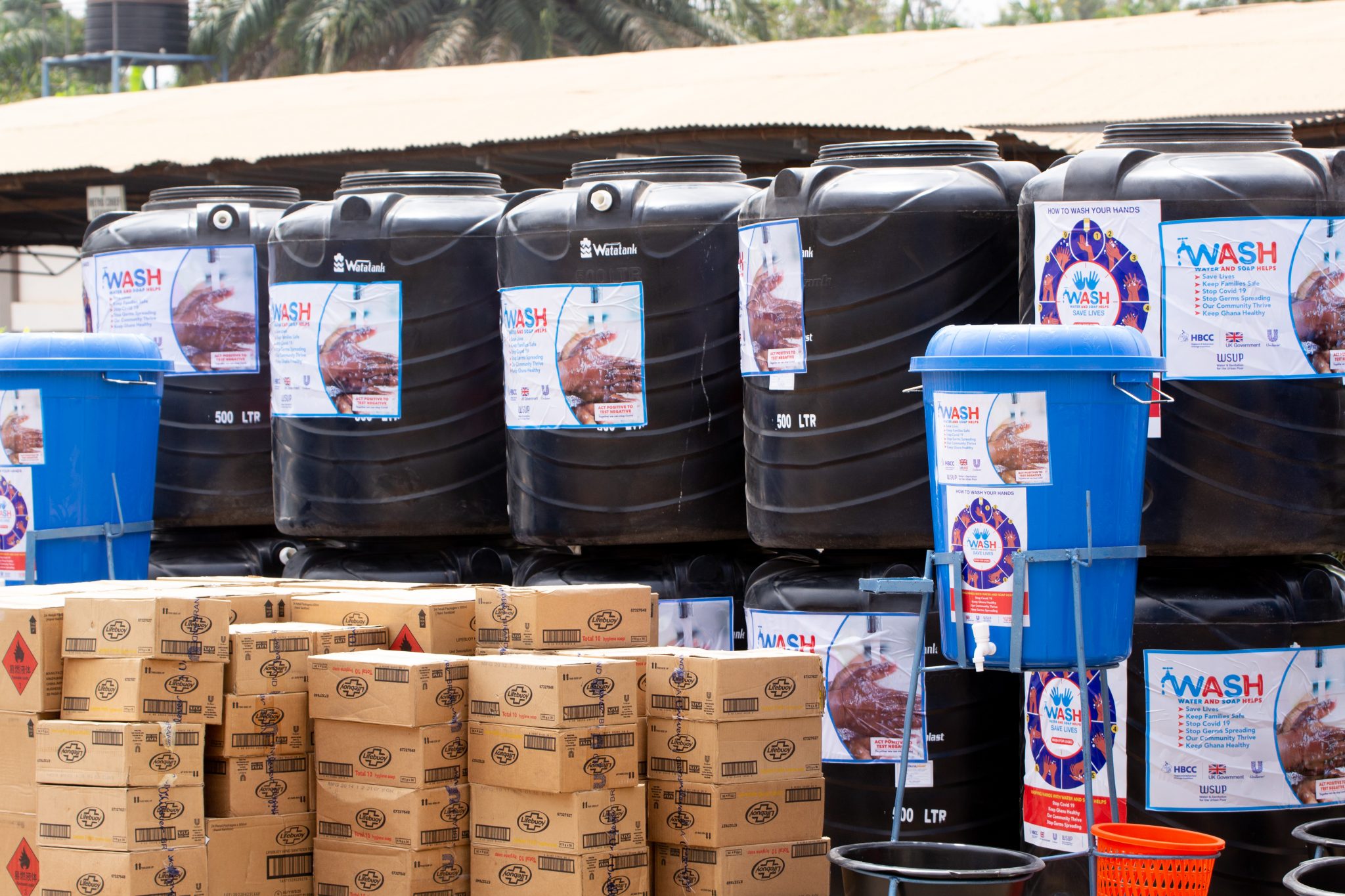
Building urban resilience in the face of Covid-19: new video shows our hygiene work in Ghana and Kenya

Building urban resilience in the face of Covid-19: new video shows our hygiene work in Ghana and Kenya

by Polly Markandya | Jul 7, 2021 | News

Over the last year, WSUP with the support of the Hygiene & Behaviour Change Coalition (HBCC) – a UK government and Unilever initiative – delivered a rapid customer focused communication hygiene campaign, to combat the spread of Covid-19 in some of the most...
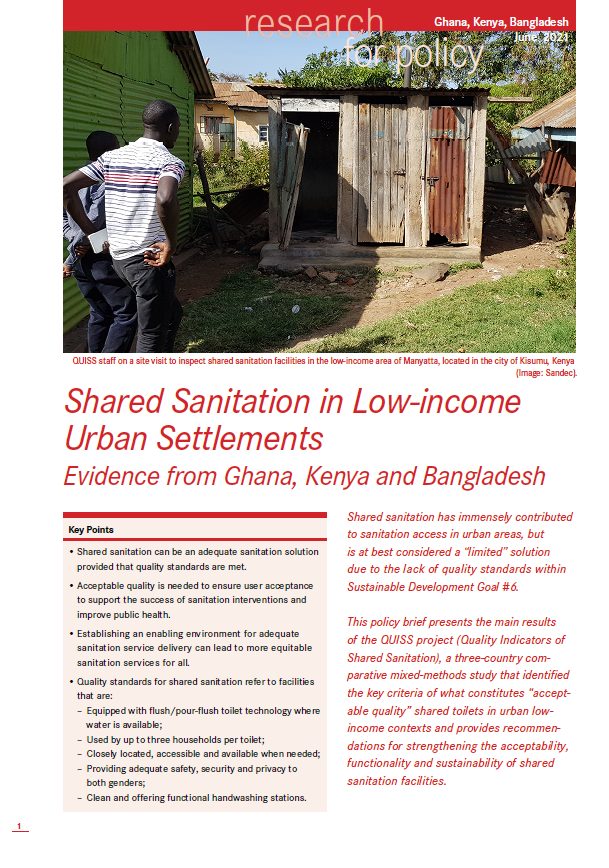
Shared sanitation in low-income urban settlements: Evidence from Ghana, Kenya and Bangladesh

Shared sanitation in low-income urban settlements: Evidence from Ghana, Kenya and Bangladesh

by Polly Markandya | Jun 30, 2021

Shared sanitation has immensely contributed to sanitation access in urban areas, but is at best considered a “limited” solution due to the lack of quality standards within Sustainable Development Goal 6. This policy brief presents the main results of the QUISS project...
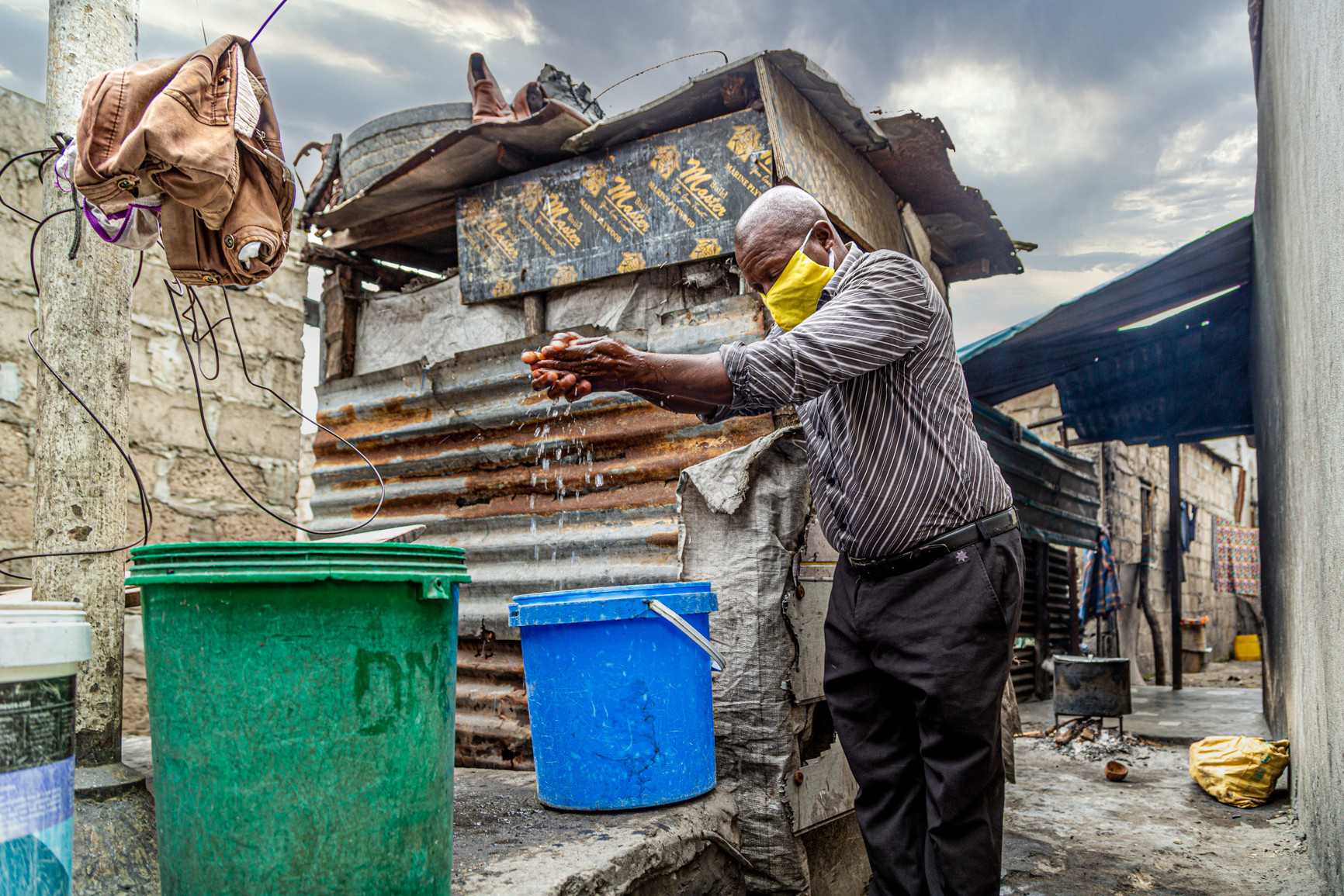
Taking water, sanitation and hygiene out of the silo: new report builds the case for integrated urban development

Taking water, sanitation and hygiene out of the silo: new report builds the case for integrated urban development

by Polly Markandya | May 24, 2021 | News

Water, sanitation and hygiene improvements need to be integrated into wider urban development initiatives to have maximum reach and impact, according to a new report published by WSUP and Arquitectura sin Fronteras. Drawing on evidence from cities such as Maputo,...
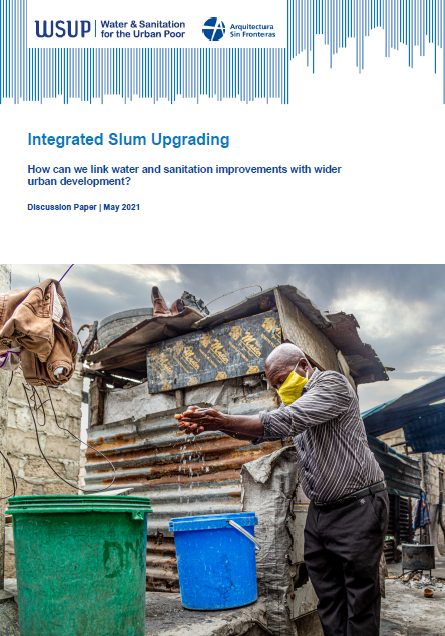
Integrated Slum Upgrading: how can we link water and sanitation with wider urban development?

Integrated Slum Upgrading: how can we link water and sanitation with wider urban development?

by Polly Markandya | May 24, 2021

Marginalised urban communities are often characterised by three things: complexity, interdependence of challenges, and constant evolution. The sheer numbers of people living close together in poorly planned communities can make improving the quality of life extremely...

Page 13 of 35« First«...1112131415...2030...»Last »

Support our work

Donate now

Newsletter

Sign up to receive updates

Sign up

Tags

2021 africa digital Ghana groundwater Hygiene Kenya partnerships regulation Sanitation sewers smart water technology Water world water day world water week
Sign up for our Newsletter to receive all the latest WSUP news straight to your inbox

International secretariat registered at:

124 City Road, London, EC1V 2NX, UK

Companies House 05419428

WSUP Charity 1170651
  • About us
  • Where we work
  • Partner with us
  • Advisory
  • Media Centre
  • Resources
  • Careers
  • Charity




© WSUP
  • Cookie Policy
  • Privacy Notice
  • Policies
  • Report a Concern