• About us
    • Our Story
    • How we create impact
    • Why WASH matters
      • Health
      • Education
      • Employment and economy
      • Women & girls
      • Climate change
      • Environmental pollution
    • Our team
    • Accountability and financials
      • Governance
      • Financials
    • Contact us
  • Where we work
    • Bangladesh
    • Ghana
    • Kenya
    • Madagascar
    • Mozambique
    • Zambia
    • Uganda
  • Partner with us
  • Resources
    • Latest research
      • Innovative approaches to water & sanitation service delivery
      • Institutional capacity
      • Business development & public-private collaboration
      • Policy, planning & sector reform
      • Regulation
      • Financing
      • Citywide inclusive sanitation
      • Integrating water & sanitation with urban development
      • Climate resilience & water security
      • Hygiene & behaviour change
      • Gender & inclusion
      • Assessing impact
    • Sector functionality framework
    • Utility strengthening framework
    • Academic collaborations
    • WSUP’s Theory of Change
  • Advisory
    • About WSUP Advisory
    • Services
    • Areas of expertise
    • Projects
    • Meet the team
    • Contact Advisory
  • Media Centre
    • Browse all
  • Charity
    • Fundraise for WSUP
    • Pledge your birthday
    • In-memory or celebration
    • Leave a gift in your Will
  • Careers
    • Vacancies
  • About us
    • Our Story
    • How we create impact
    • Why WASH matters
      • Health
      • Education
      • Employment and economy
      • Women & girls
      • Climate change
      • Environmental pollution
    • Our team
    • Accountability and financials
      • Governance
      • Financials
    • Contact us
  • Where we work
    • Bangladesh
    • Ghana
    • Kenya
    • Madagascar
    • Mozambique
    • Zambia
    • Uganda
  • Partner with us
  • Resources
    • Latest research
      • Innovative approaches to water & sanitation service delivery
      • Institutional capacity
      • Business development & public-private collaboration
      • Policy, planning & sector reform
      • Regulation
      • Financing
      • Citywide inclusive sanitation
      • Integrating water & sanitation with urban development
      • Climate resilience & water security
      • Hygiene & behaviour change
      • Gender & inclusion
      • Assessing impact
    • Sector functionality framework
    • Utility strengthening framework
    • Academic collaborations
    • WSUP’s Theory of Change
  • Advisory
    • About WSUP Advisory
    • Services
    • Areas of expertise
    • Projects
    • Meet the team
    • Contact Advisory
  • Media Centre
    • Browse all
  • Charity
    • Fundraise for WSUP
    • Pledge your birthday
    • In-memory or celebration
    • Leave a gift in your Will
  • Careers
    • Vacancies
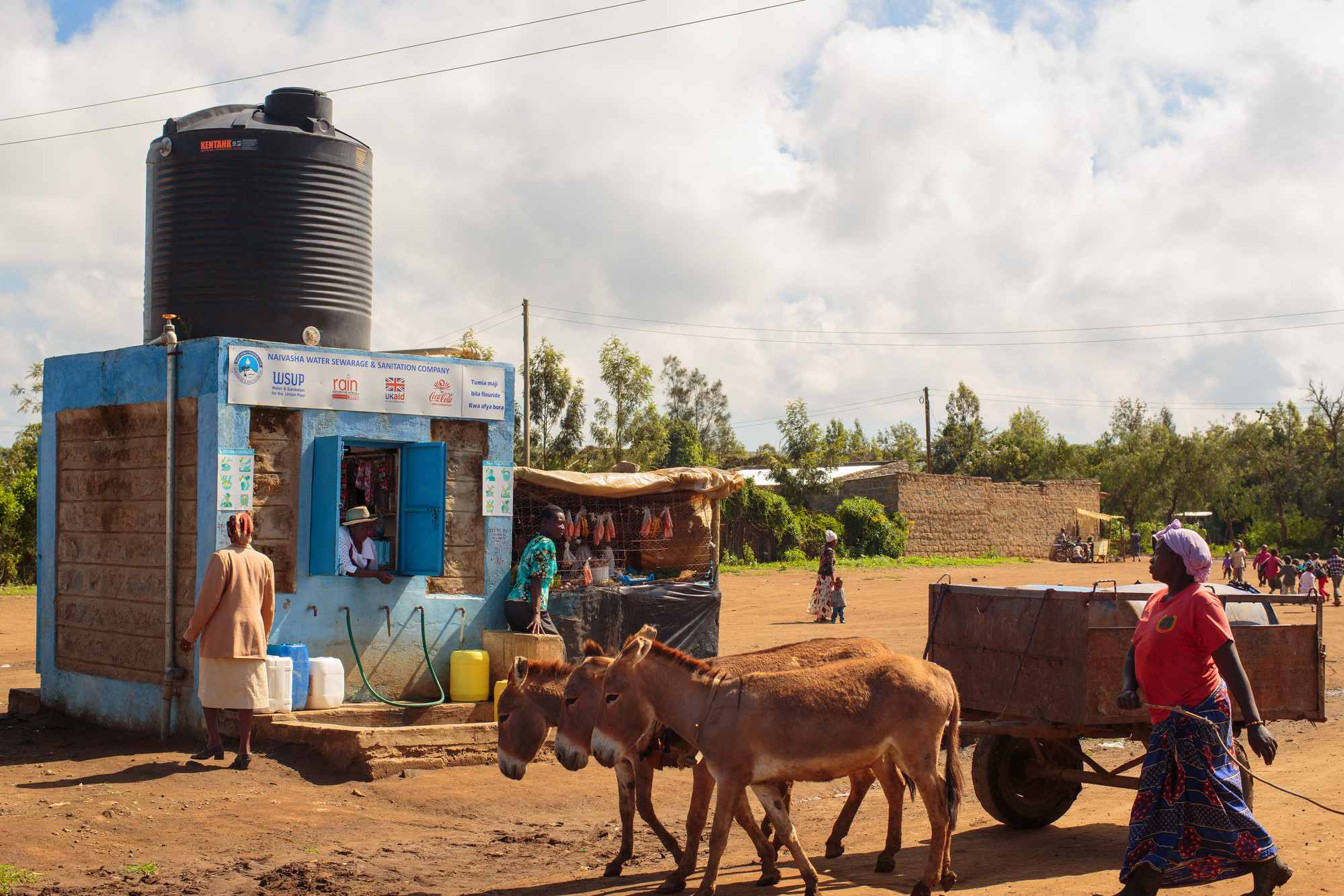
Comparing institutional frameworks for urban sanitation in decentralising countries: lessons for Kenya

Comparing institutional frameworks for urban sanitation in decentralising countries: lessons for Kenya

by Polly Markandya | Sep 12, 2017

Aims To support sector thinking and decision-making about appropriate design of the institutional framework for urban sanitation in post-devolution Kenya as the Ministry of Health develops the new National Environmental and Sanitation Bill. Findings Important...
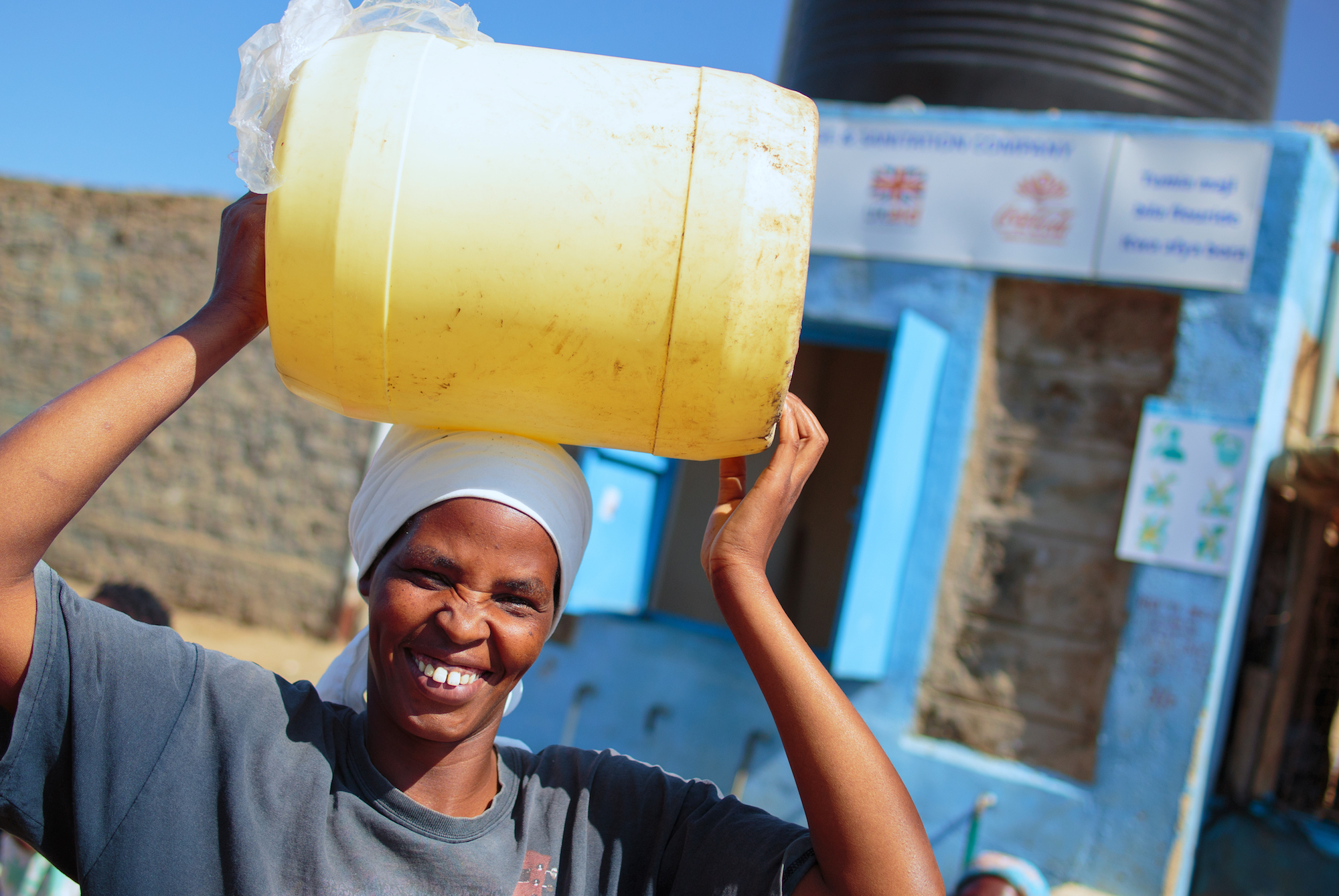
Comparative study on county water and sanitation budgeting in Kenya

Comparative study on county water and sanitation budgeting in Kenya

by Polly Markandya | Jun 12, 2017

Aims To assess how selected County Governments have allocated funds to the water and sanitation sector from FY 2014/15 to 2017/18, and what areas these funds cover, providing evidence that can highlight patterns in allocations, prioritise budget expenditure, and...
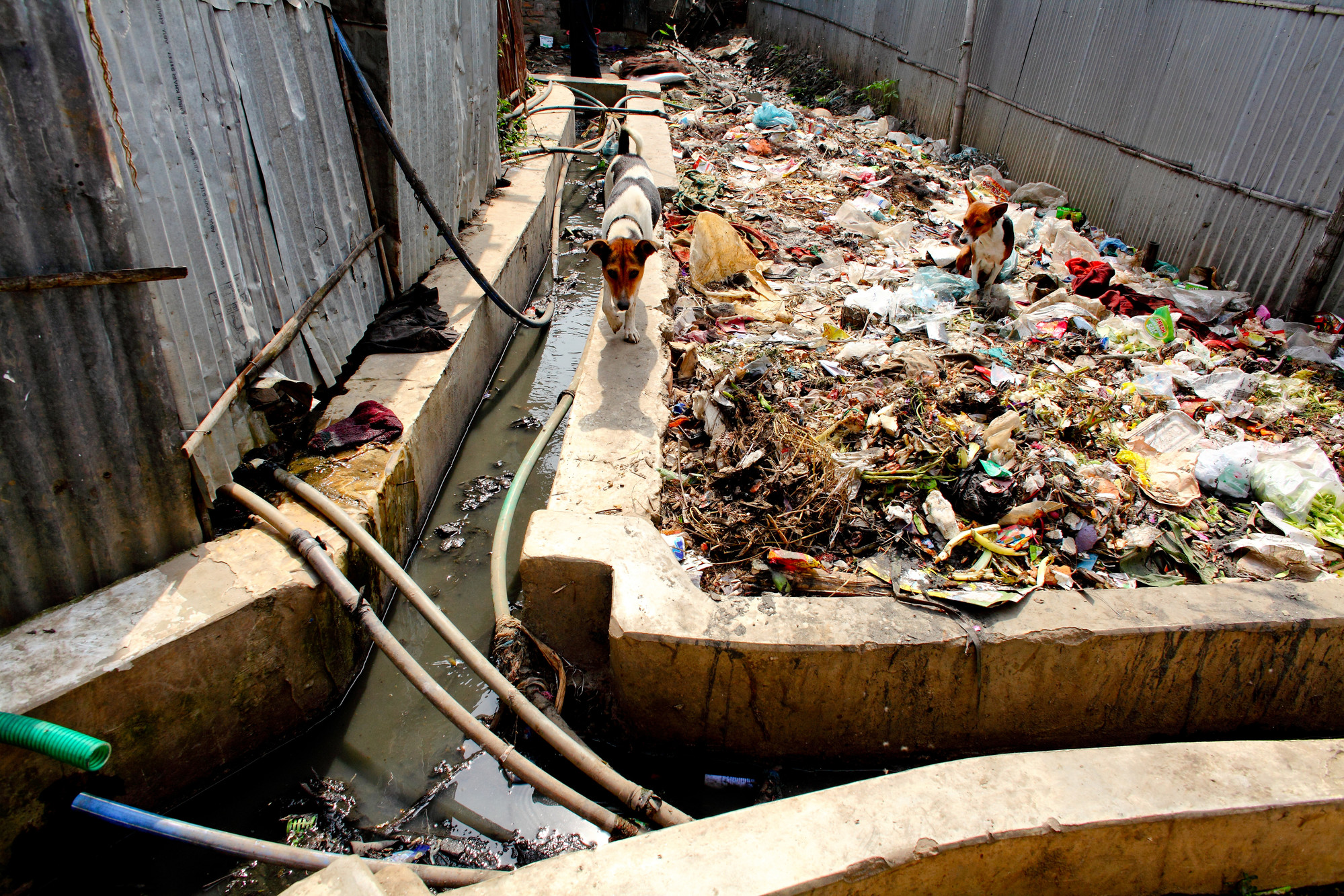
Assessing organisational capacity for sanitation planning and investment in three Bangladeshi cities

Assessing organisational capacity for sanitation planning and investment in three Bangladeshi cities

by Polly Markandya | May 12, 2017

Aims To assess how Bangladeshi City Corporations (specifically Dhaka North, Chittagong and Rangpur) deliver sanitation services to their citizens and how the external environment and long-term, operational and short-term factors influence City Corporations’ capacity...
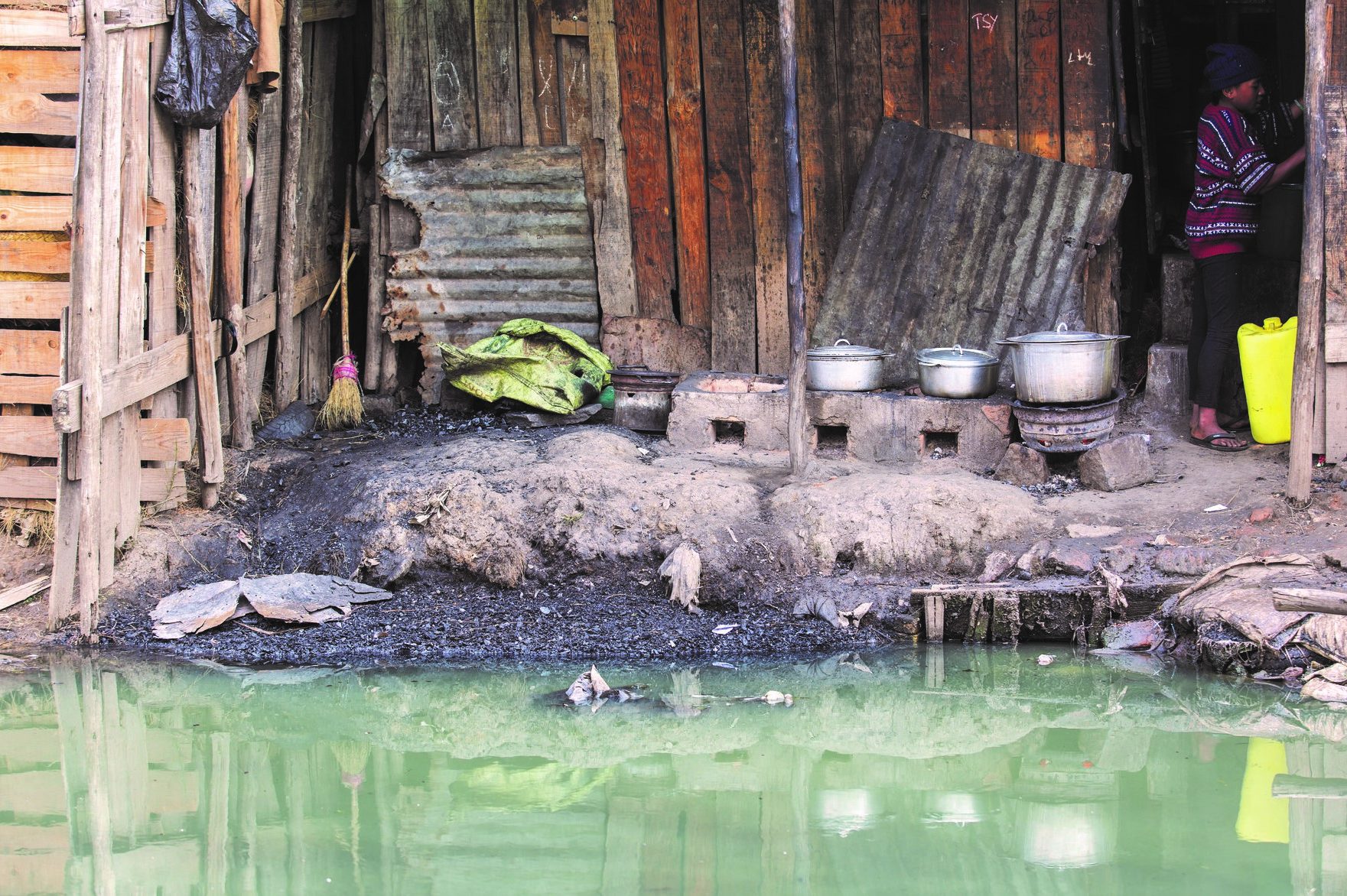
Faecal pathogen flow modelling in urban environments: a proposed approach to inform sanitation planning

Faecal pathogen flow modelling in urban environments: a proposed approach to inform sanitation planning

by Polly Markandya | Apr 12, 2017

Aims To build towards better understanding of pro-poor sanitation investment practice, and to (potentially) lay the foundation for possible future research around sanitation investment planning in low-income contexts in Bangladesh, Ghana and Kenya. Findings The...
The cost of urban sanitation solutions: a literature review

The cost of urban sanitation solutions: a literature review

by Polly Markandya | Nov 12, 2016

Findings Conventional sewer systems are the most expensive urban sanitation solution, followed by systems based on septic tanks, ventilated improved pits (VIP), urine-diverting dry toilets (UDDT), then pour-flush pit latrines. Simplified sewer systems may cost less...

Page 53 of 54« First«...102030...5051525354»

Support our work

Donate now

Newsletter

Sign up to receive updates

Sign up

Tags

2021 africa digital Ghana groundwater Hygiene Kenya partnerships regulation Sanitation sewers smart water technology Water world water day world water week
Sign up for our Newsletter to receive all the latest WSUP news straight to your inbox

International secretariat registered at:

124 City Road, London, EC1V 2NX, UK

Companies House 05419428

WSUP Charity 1170651
  • About us
  • Where we work
  • Partner with us
  • Advisory
  • Media Centre
  • Resources
  • Careers
  • Charity




© WSUP
  • Cookie Policy
  • Privacy Notice
  • Policies
  • Report a Concern