by Polly Markandya | Nov 6, 2018 | News
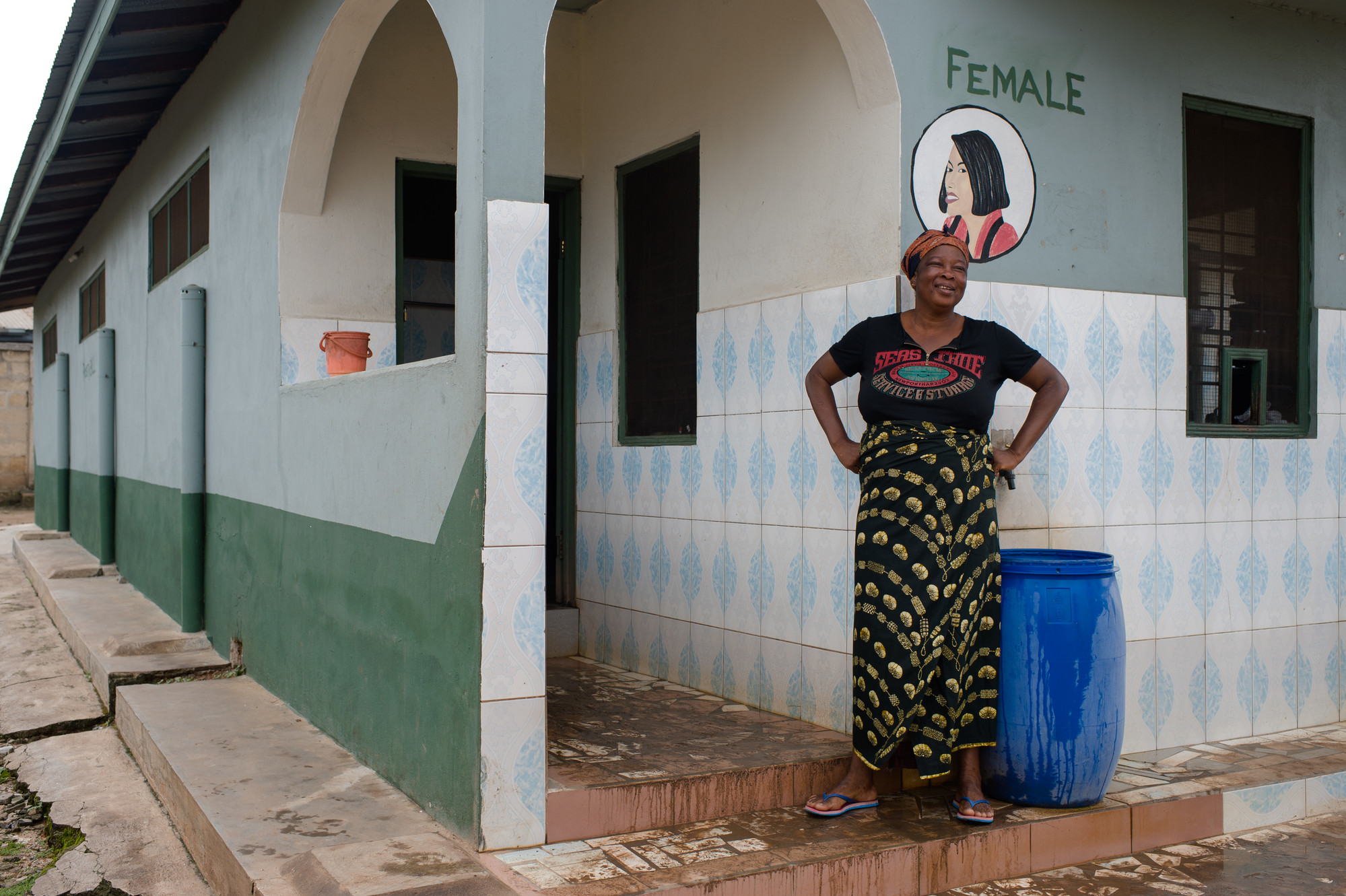
The requirements of women and girls are too often ignored in the planning and design of toilets, leaving them unable to use the toilet where and when needed. Women have different sanitation requirements, for instance during menstruation, pregnancy and after menopause,...
by Polly Markandya | Nov 6, 2018
The female-friendly guide written by WaterAid, UNICEF and WSUP, is designed primarily for use by local authorities in towns and cities who are in charge of public and community toilets. It’s also useful for national governments, public and private service...
by Polly Markandya | Aug 16, 2018
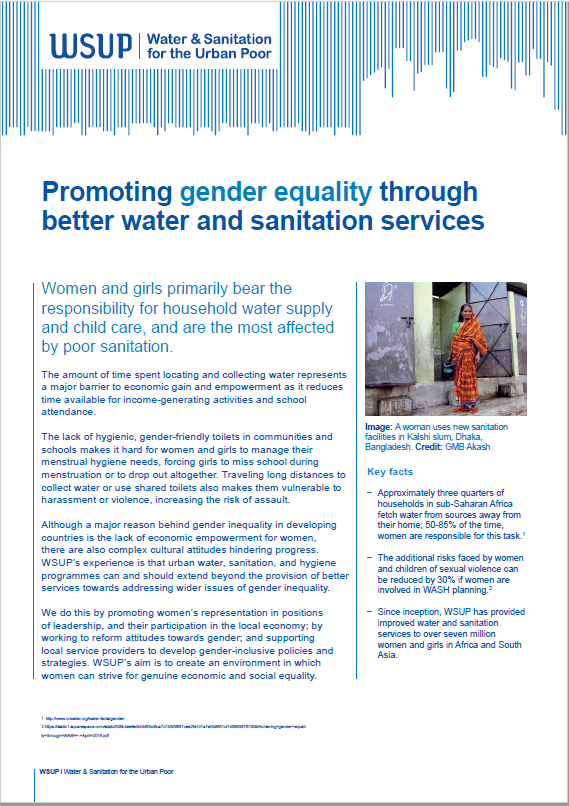
Women and girls primarily bear the responsibility for household water supply and child care, and are the most affected by poor sanitation. The amount of time spent locating and collecting water represents a major barrier to economic gain and empowerment as it reduces...
by Polly Markandya | May 24, 2018 | News
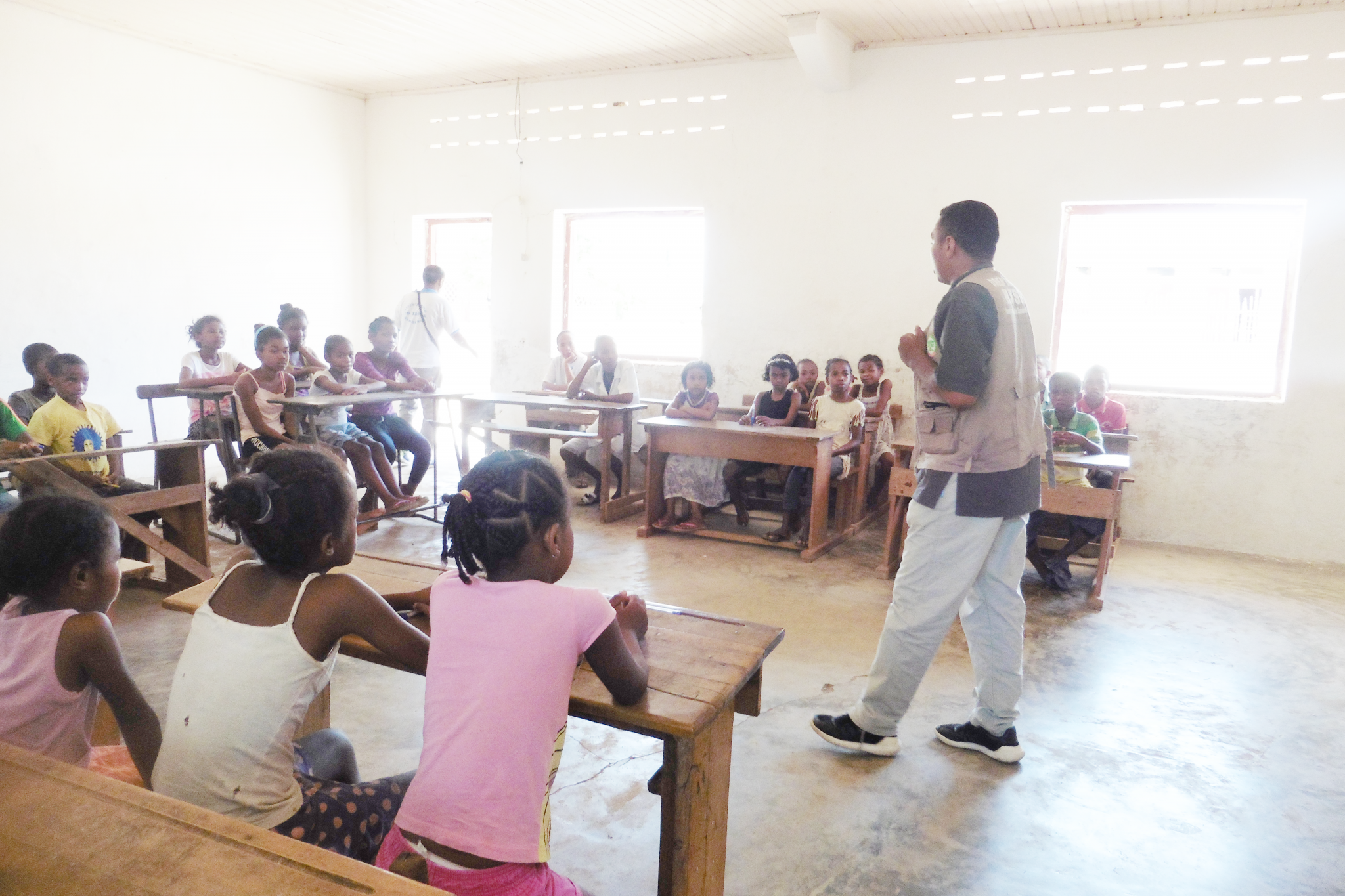
Well-designed school toilets lay the foundation to change children’s hygiene behaviour. Through user-centred design approaches, WSUP is working to best create facilities that are appropriate for girls to better manage their menstrual hygiene needs. In Madagascar,...
by Polly Markandya | Mar 31, 2018
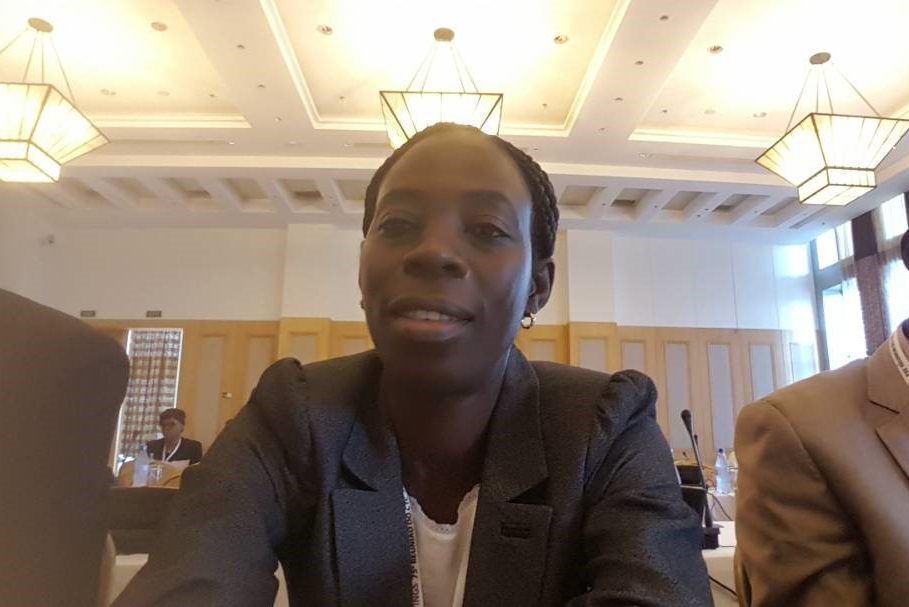
According to Faustina Boachie, head of Ghana Water Company’s Low-Income Customer Support Unit, there is a strong link between poor water and sanitation access and the socio-economic development and the political position of women. “As a young girl, my sisters and I...