• About us
    • Our Story
    • How we create impact
    • Why WASH matters
      • Health
      • Education
      • Employment and economy
      • Women & girls
      • Climate change
      • Environmental pollution
    • Our team
    • Accountability and financials
      • Governance
      • Financials
    • Contact us
  • Where we work
    • Bangladesh
    • Ghana
    • Kenya
    • Madagascar
    • Mozambique
    • Zambia
    • Uganda
  • Partner with us
  • Resources
    • Latest research
      • Innovative approaches to water & sanitation service delivery
      • Institutional capacity
      • Business development & public-private collaboration
      • Policy, planning & sector reform
      • Regulation
      • Financing
      • Citywide inclusive sanitation
      • Integrating water & sanitation with urban development
      • Climate resilience & water security
      • Hygiene & behaviour change
      • Gender & inclusion
      • Assessing impact
    • Sector functionality framework
    • Utility strengthening framework
    • Academic collaborations
    • WSUP’s Theory of Change
  • Advisory
    • About WSUP Advisory
    • Services
    • Areas of expertise
    • Projects
    • Meet the team
    • Contact Advisory
  • Media Centre
    • Browse all
  • Charity
    • Fundraise for WSUP
    • Pledge your birthday
    • In-memory or celebration
    • Leave a gift in your Will
  • Careers
    • Vacancies
  • About us
    • Our Story
    • How we create impact
    • Why WASH matters
      • Health
      • Education
      • Employment and economy
      • Women & girls
      • Climate change
      • Environmental pollution
    • Our team
    • Accountability and financials
      • Governance
      • Financials
    • Contact us
  • Where we work
    • Bangladesh
    • Ghana
    • Kenya
    • Madagascar
    • Mozambique
    • Zambia
    • Uganda
  • Partner with us
  • Resources
    • Latest research
      • Innovative approaches to water & sanitation service delivery
      • Institutional capacity
      • Business development & public-private collaboration
      • Policy, planning & sector reform
      • Regulation
      • Financing
      • Citywide inclusive sanitation
      • Integrating water & sanitation with urban development
      • Climate resilience & water security
      • Hygiene & behaviour change
      • Gender & inclusion
      • Assessing impact
    • Sector functionality framework
    • Utility strengthening framework
    • Academic collaborations
    • WSUP’s Theory of Change
  • Advisory
    • About WSUP Advisory
    • Services
    • Areas of expertise
    • Projects
    • Meet the team
    • Contact Advisory
  • Media Centre
    • Browse all
  • Charity
    • Fundraise for WSUP
    • Pledge your birthday
    • In-memory or celebration
    • Leave a gift in your Will
  • Careers
    • Vacancies
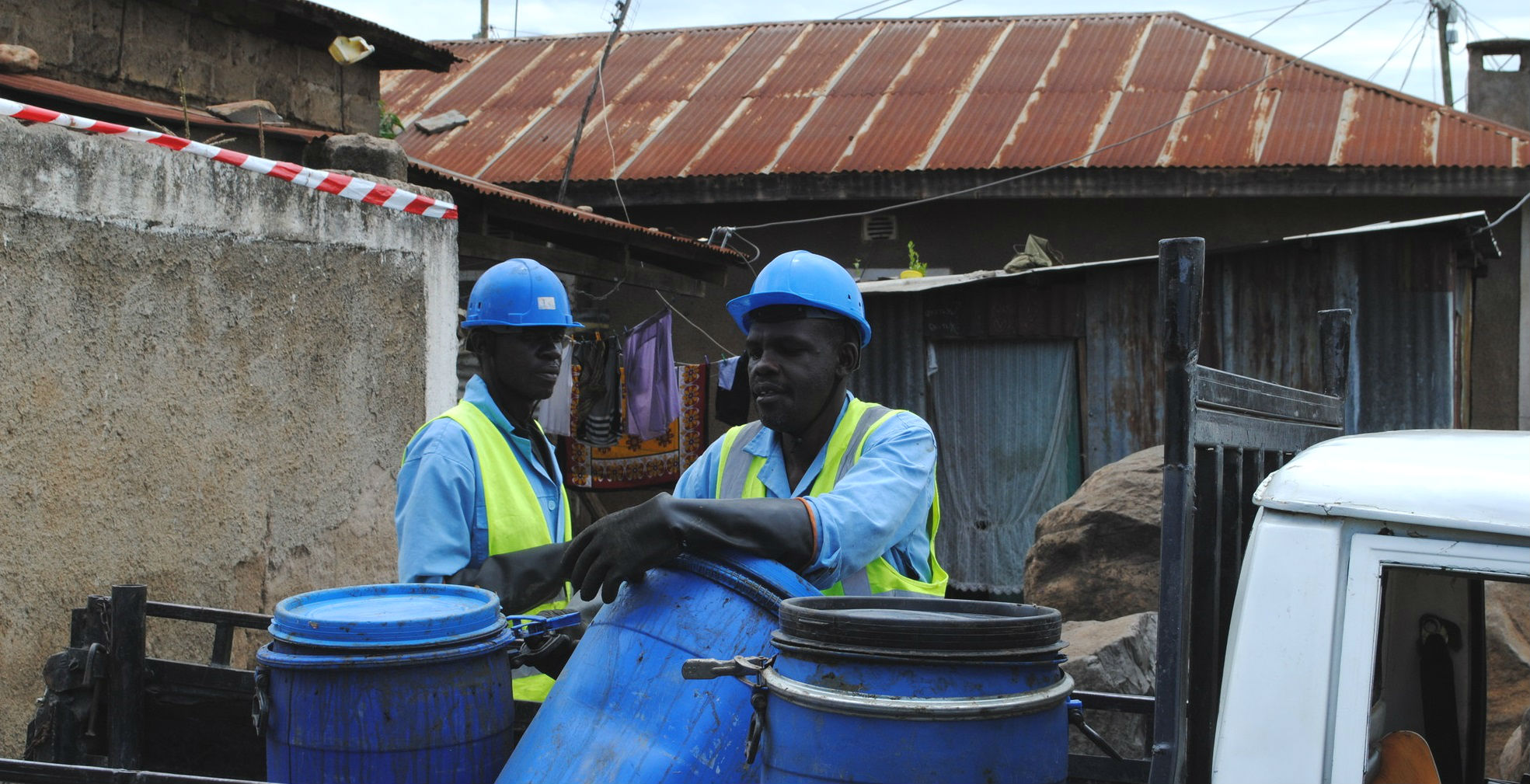
What does an enabling environment look like for urban sanitation?

What does an enabling environment look like for urban sanitation?

by Polly Markandya | Apr 11, 2018 | News

This week, Water & Sanitation for Urban Populations (WSUP) held a webinar to explore what an enabling environment for urban sanitation really looks like. Despite its evident importance to achieving scale, the components of a well-functioning enabling environment...
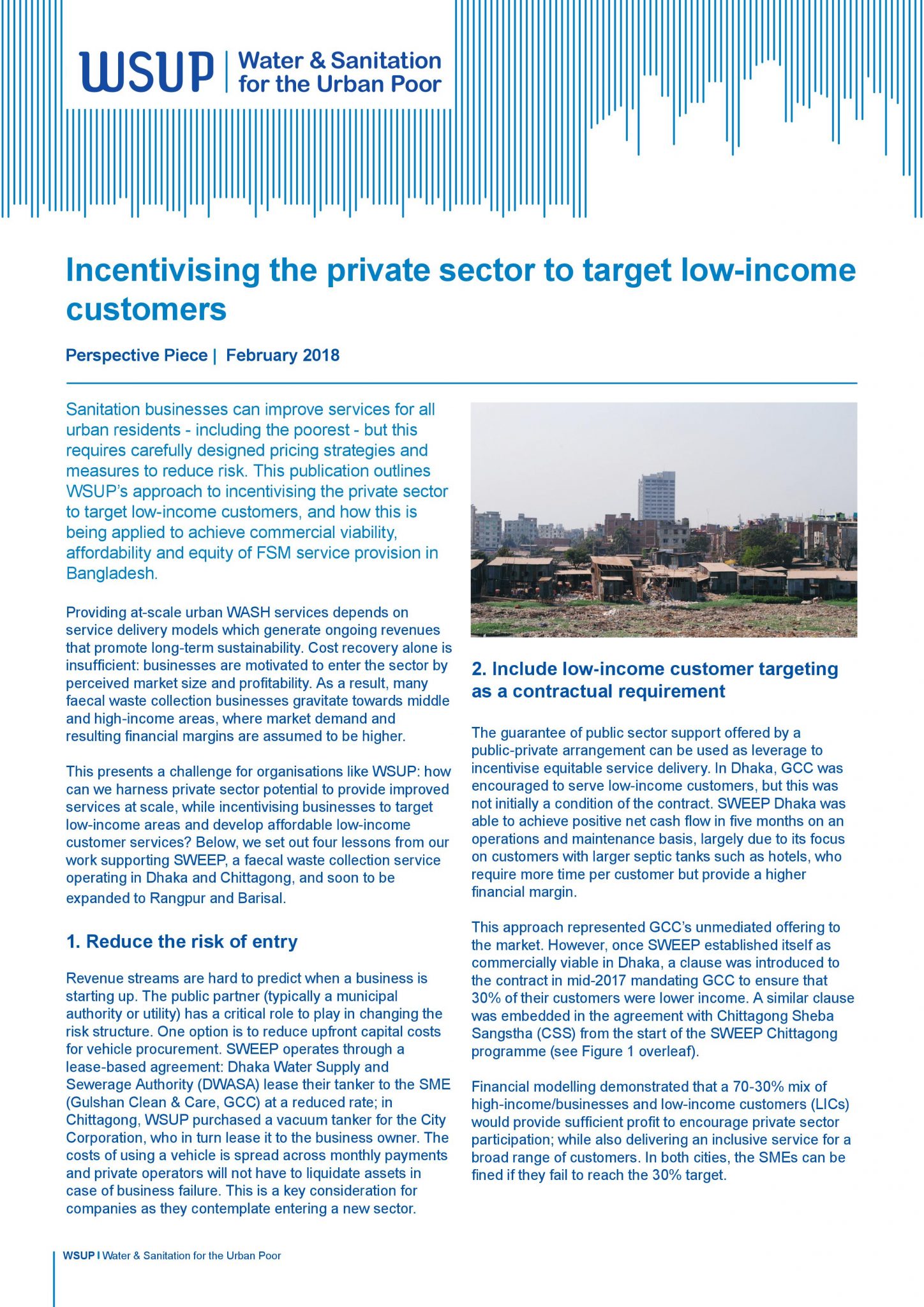
Incentivising the private sector to target low-income customers

Incentivising the private sector to target low-income customers

by Polly Markandya | Mar 16, 2018

Sanitation businesses can improve services for all urban residents – including the poorest – but this requires carefully designed pricing strategies and measures to reduce risk. This publication outlines WSUP’s approach to incentivising the private sector...
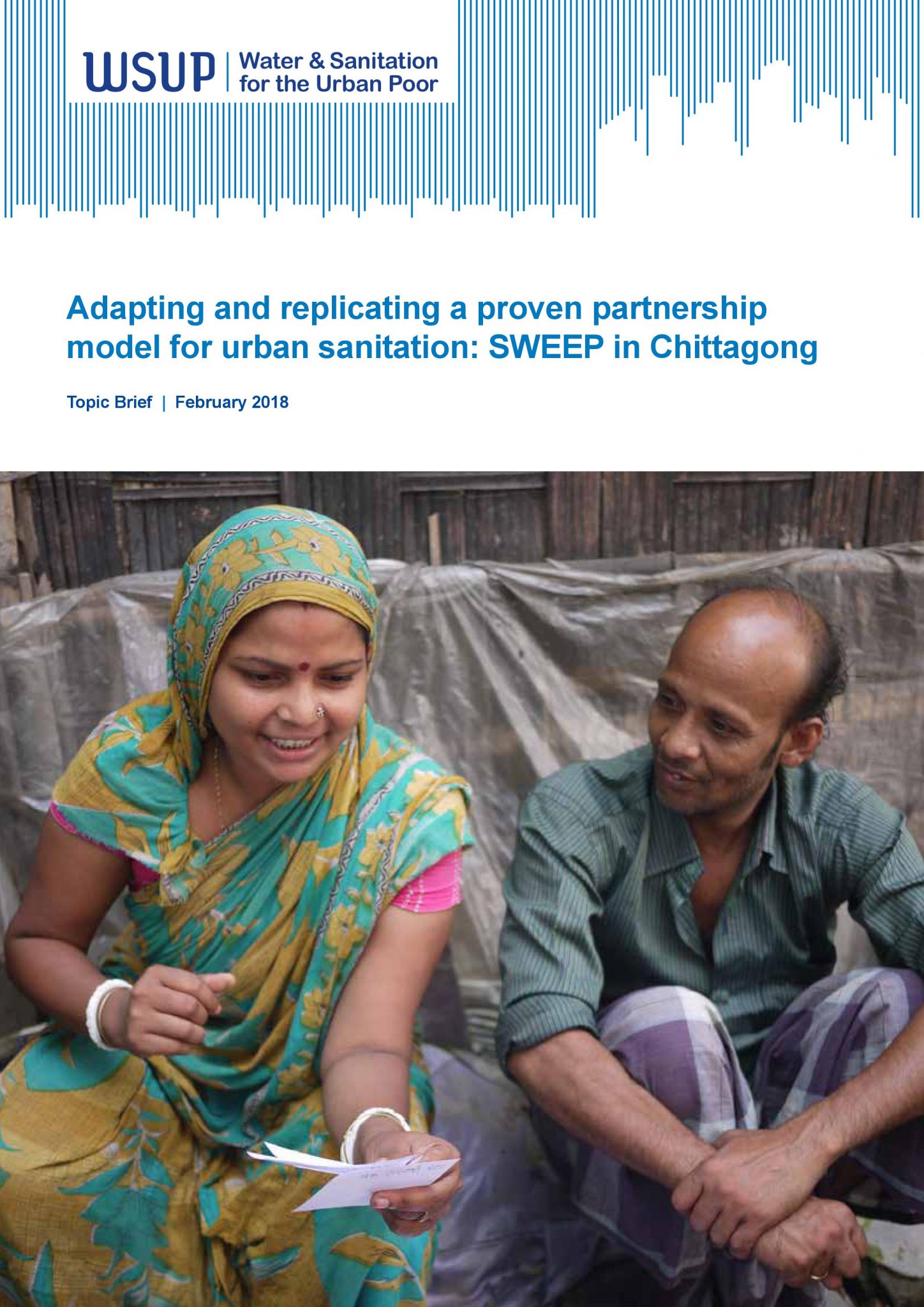
Adapting and replicating a proven partnership model for urban sanitation: SWEEP in Chittagong

Adapting and replicating a proven partnership model for urban sanitation: SWEEP in Chittagong

by Polly Markandya | Mar 16, 2018

This Topic Brief explores the replication of a public-private partnership (PPP) that provides safe faecal sludge emptying and transport from on-site sanitation facilities such as pit latrines and septic tanks, marketed as ‘SWEEP’. Following a successful pilot period...
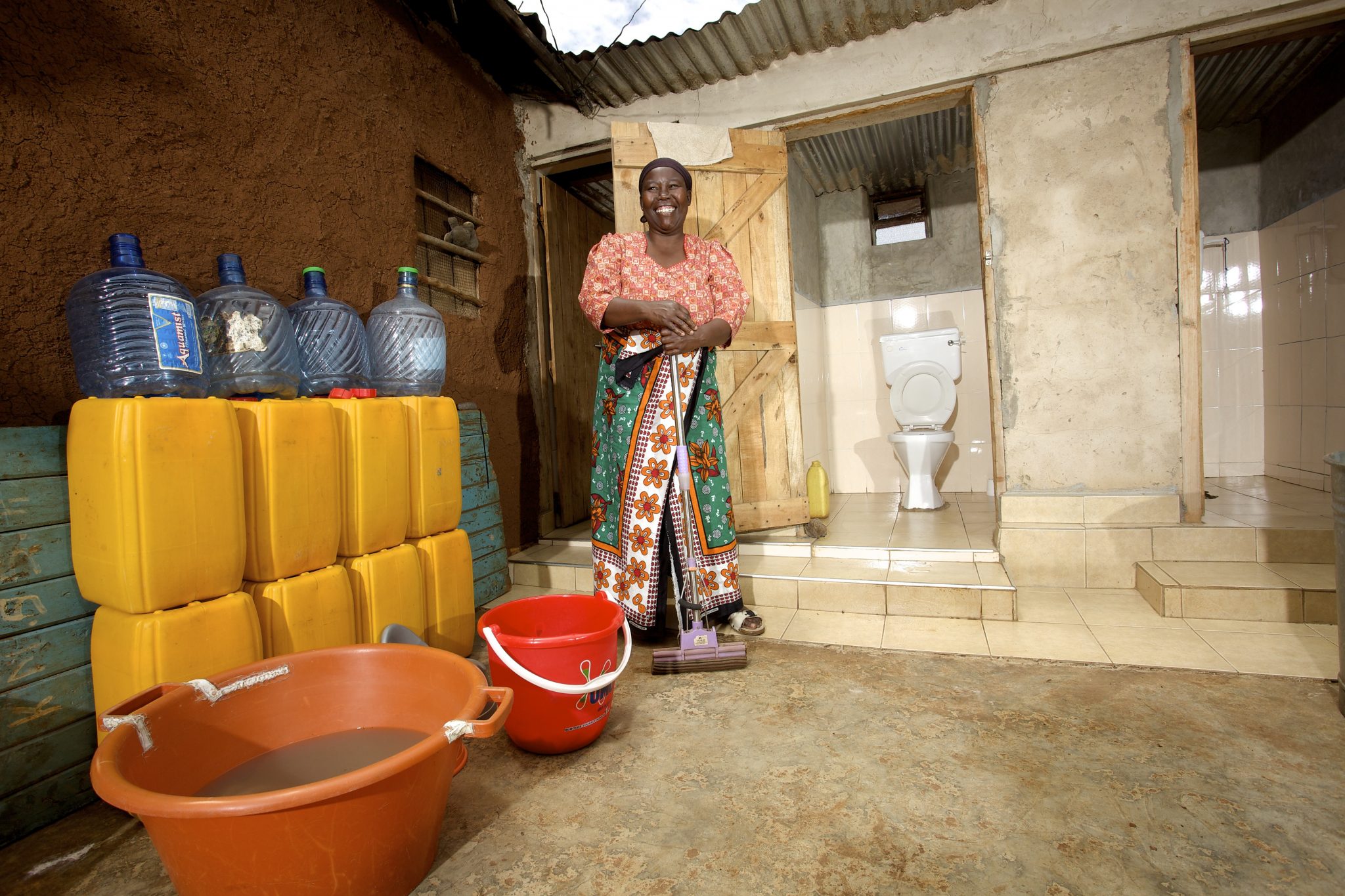
Mind the gap: Investigating the funding shortfall in urban sanitation

Mind the gap: Investigating the funding shortfall in urban sanitation

by Polly Markandya | Feb 12, 2018 | News

Who should pay for sanitation? The consumers who use the service, the utilities in charge of providing it, or governments who are responsible for ensuring citizens can access safe facilities? Consumers pay to connect their homes to a sewer network, utilities use that...
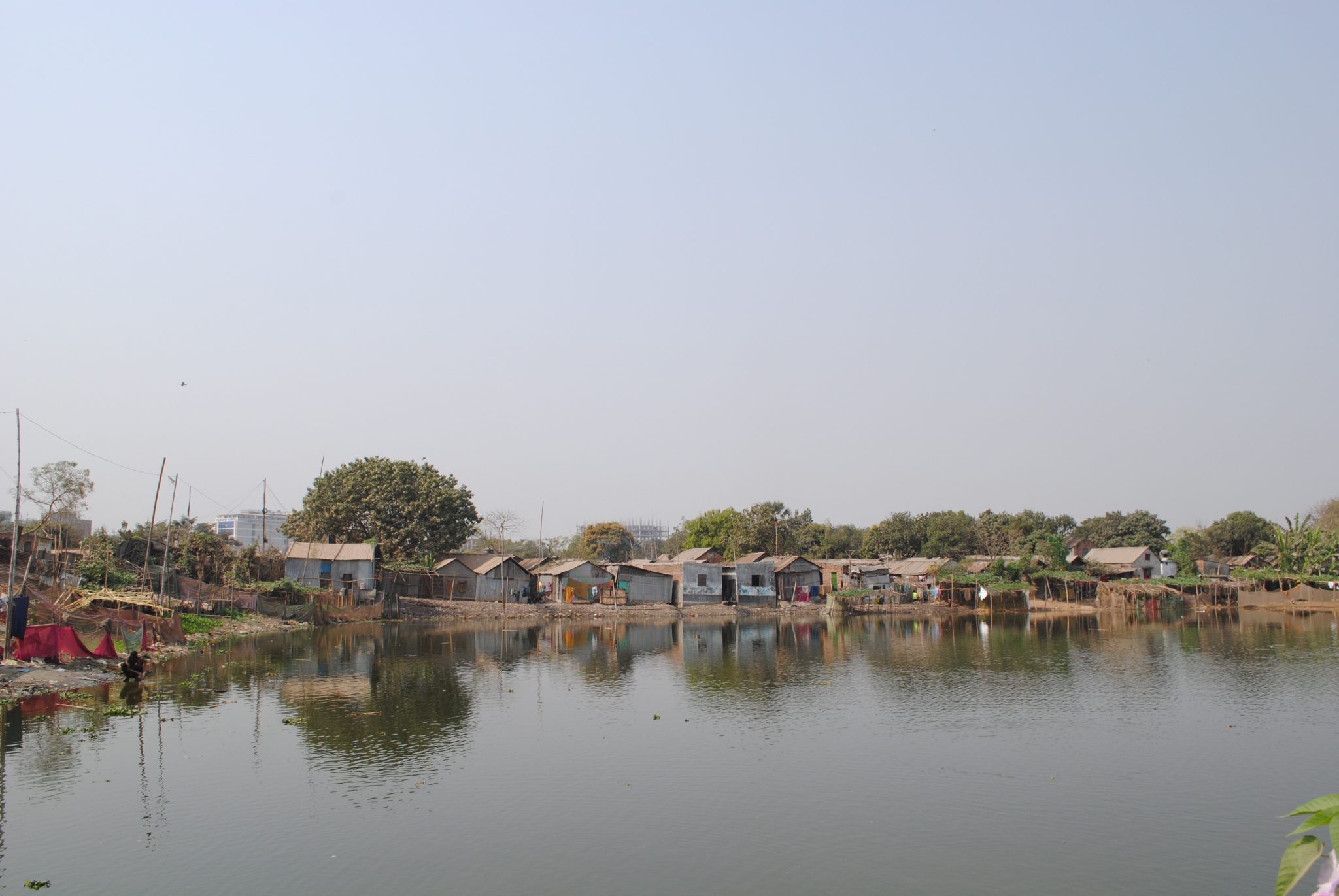
Workshop held to share and discuss findings of research in Rangpur, Chittagong and Dhaka

Workshop held to share and discuss findings of research in Rangpur, Chittagong and Dhaka

by Polly Markandya | Feb 6, 2018 | News

On the 27th January, high-level stakeholders from three cities (Dhaka, Chittagong and Rangpur) in Bangladesh came together to discuss the findings of a research project commissioned by WSUP’s Urban Sanitation Research Initiative and delivered by ITN-BUET. This project...

Page 15 of 20« First«...10...1314151617...20...»Last »

Support our work

Donate now

Newsletter

Sign up to receive updates

Sign up

Tags

2021 africa digital Ghana groundwater Hygiene Kenya partnerships regulation Sanitation sewers smart water technology Water world water day world water week
Sign up for our Newsletter to receive all the latest WSUP news straight to your inbox

International secretariat registered at:

124 City Road, London, EC1V 2NX, UK

Companies House 05419428

WSUP Charity 1170651
  • About us
  • Where we work
  • Partner with us
  • Advisory
  • Media Centre
  • Resources
  • Careers
  • Charity




© WSUP
  • Cookie Policy
  • Privacy Notice
  • Policies
  • Report a Concern